
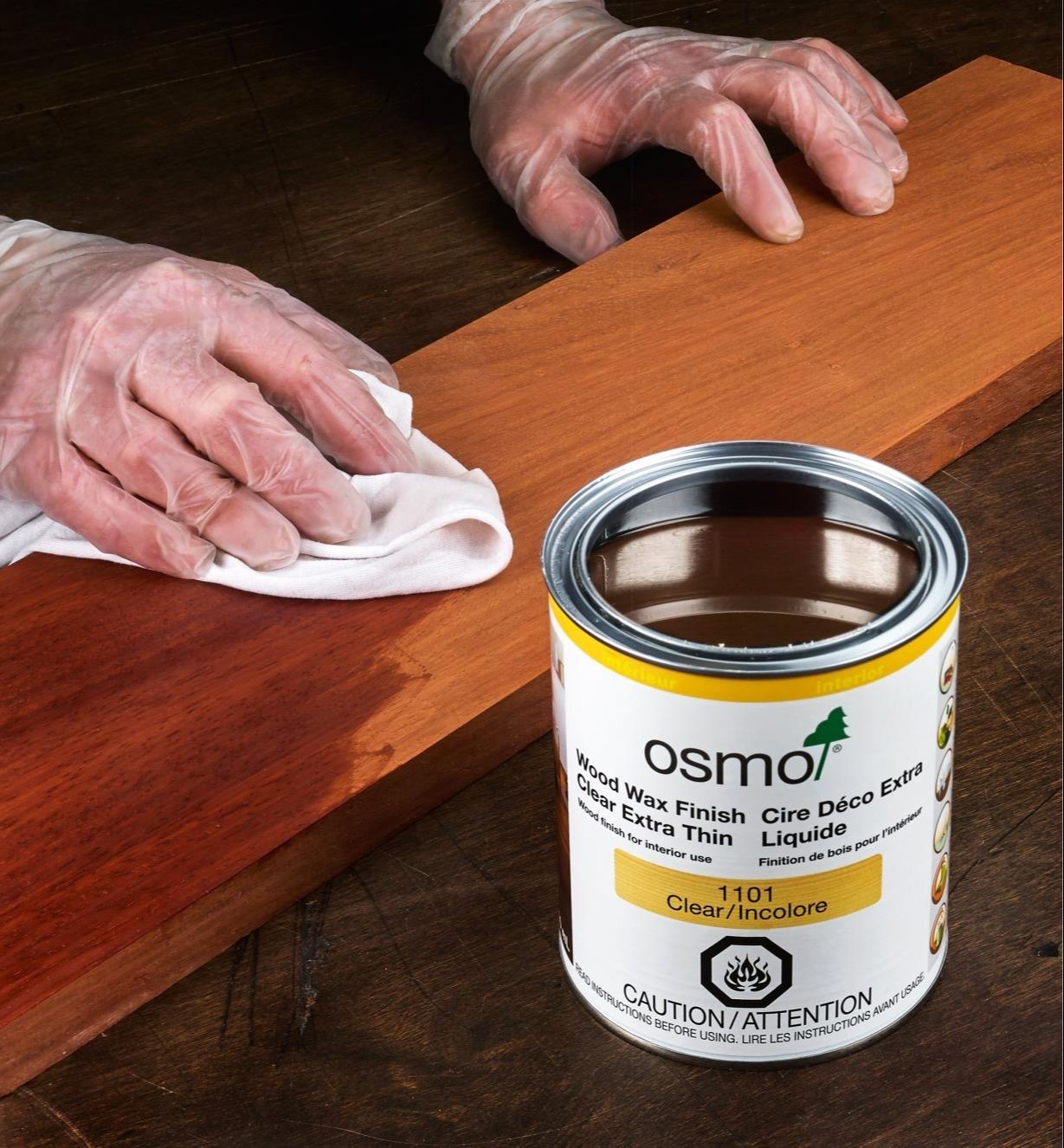

Caring for timber surfaces in and around your home is essential for maintaining their beauty and longevity. Many people are now looking for wood care solutions that are not only effective but also gentle on the environment. Traditional coatings can form a plastic-like film on the surface, which can crack, peel, or blister over time, requiring sanding to remove. This has led many Australian homeowners to explore alternatives.
A different approach to wood finishing involves using products derived from natural, renewable resources. These finishes penetrate the wood, protecting it from the inside out. This method allows the timber to breathe and helps regulate moisture, preventing it from drying out or becoming waterlogged. Using a high-quality osmo oil is a great way to achieve this kind of deep protection while enhancing the natural grain and character of the wood.
These oil and wax combinations offer a durable and replenishable surface. Instead of forming a static layer, they bond with the wood fibres. This creates a finish that is resistant to common household spills like water, juice, and wine. The microporous nature of the finish ensures it will not suffer the same fate as film-forming varnishes, making upkeep simpler and less intensive. This is particularly useful in the varied Australian climate, where timber can expand and contract with changing temperatures and humidity.
One of the significant advantages of oil-and-wax-based finishes is their ease of maintenance. When a surface starts to show signs of wear, you do not need to sand the entire area back to bare wood. Spot repairs are straightforward. Simply clean the affected section and apply a thin coat of the product to blend it seamlessly with the surrounding finish. This saves considerable time and effort compared to the complete stripping and re-coating process required for many conventional lacquers.
Choosing wood care products made from natural oils and waxes also contributes to a healthier indoor environment. Many of these formulations are based on plant ingredients like sunflower, soya, and thistle oils. They contain low volatile organic compounds (VOCs), which means fewer chemicals are released into the air you breathe. This makes them a suitable choice for families, especially for use on children’s toys, kitchen countertops, and interior flooring.
For exterior applications, from decking to timber cladding, these penetrating finishes offer robust protection against the harsh Australian sun and moisture. The finish helps to preserve the wood’s elasticity, while pigmented versions provide UV resistance to slow the greying process. By nourishing the timber rather than sealing it under a film, you ensure your outdoor wood features remain beautiful and protected for years to come.
Comments are closed.