
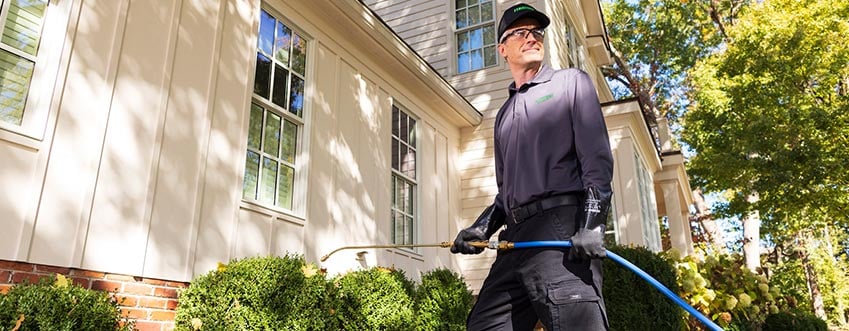

Living in Lake Charles comes with a lot to appreciate. The food, the culture, the proximity to the Gulf, and the tight-knit community feel of southwest Louisiana are all genuine draws. But anyone who has spent more than a season here knows that the same climate making the area so livable also makes it one of the more challenging places in the country when it comes to keeping pests out of your home. The heat runs long, the humidity rarely lets up, the rainfall is heavy and frequent, and all of that creates conditions where insects, rodents, and other pests do not just survive but actively thrive. Getting ahead of the problem means understanding what you are dealing with locally, not just following generic advice that does not account for how pest pressure actually works in this part of Louisiana. Whether you are worried about lake charles termite control or dealing with a broader pest issue that has gotten out of hand, a locally informed approach makes all the difference.
This guide is written specifically for Lake Charles homeowners and property owners. It covers the pests most commonly encountered in this area, the conditions that attract and sustain them, and the practical steps you can take to reduce your risk before a small problem becomes an expensive one.
Understanding Why Lake Charles Has Such High Pest Pressure
Before getting into specific pests and prevention strategies, it helps to understand why Lake Charles experiences such persistent pest activity compared to many other parts of the country.
The city receives well over fifty inches of rain annually, which is significantly above the national average. That rainfall keeps soil moisture high, feeds standing water in low-lying areas, and creates the kind of damp, humid environment that a long list of pests depend on to survive. Average summer temperatures regularly push into the mid to upper nineties, and the heat combined with high humidity means that insects remain biologically active for a much longer portion of the year than they would in cooler or drier climates.
Lake Charles also sits in a region of Louisiana that has experienced significant storm damage over recent years. The aftermath of major hurricanes and tropical storms left behind structural damage, displaced soil, disturbed drainage systems, and debris that created new opportunities for pest entry and harborage. Even homes that were repaired have sometimes ended up with gaps, compromised seals, or replaced materials that were not treated for pest resistance during the rebuild process.
The combination of climate, geography, and recent storm history makes Lake Charles a high-priority area for pest prevention, not something to address only when you spot a problem.
Termites: The Threat That Never Really Stops
Termites are consistently one of the most serious pest concerns for Lake Charles property owners, and for good reason. Southwest Louisiana is squarely within the range of both the eastern subterranean termite and the Formosan subterranean termite, with the Formosan species being particularly aggressive and destructive.
Formosan termites build massive underground colonies that can contain millions of workers. They travel up through the soil and into wooden structures through the smallest available gaps, including cracks in the slab, spaces around utility penetrations, and areas where wood contacts soil directly. A mature Formosan colony can consume wood at a rate that causes serious structural damage within a few years, and the process happens almost entirely out of sight until the damage becomes severe enough to manifest visibly.
After the major storms that affected Lake Charles in recent years, termite risk increased for a specific reason. Storm damage often disrupts chemical termite barriers that were previously applied to the soil around homes. When soil is excavated, when foundations shift, or when drainage patterns change, the protective zone that a liquid termiticide creates in the ground can be broken. Homes that were previously protected may no longer have an intact barrier without the homeowner realizing it.
Signs of Termite Activity to Watch For
Most Lake Charles homeowners will not catch a termite infestation by spotting insects directly. The signs are usually subtler:
- Mud tubes running along foundation walls, crawl space framing, or exterior concrete surfaces
- Wood that sounds hollow when tapped with a screwdriver handle
- Floors that feel soft, spongy, or slightly springy when walked on
- Doors and windows that begin sticking or failing to close properly without any other obvious cause
- Small piles of what looks like sawdust near wooden structures, which may actually be termite frass
- Paint or drywall surfaces that appear to bubble slightly without a moisture source
Finding any of these signs warrants a professional inspection without delay. Termite damage compounds over time, and a colony that has been active for three years has caused significantly more damage than one caught after six months.
Cockroaches: More Than Just a Nuisance
Lake Charles homeowners deal with several cockroach species, with the American cockroach and the German cockroach being the most common and the most problematic. These two species behave quite differently and require different approaches to control.
The American cockroach, which locals often call the palmetto bug, is large, fast, and capable of flight. It prefers outdoor environments but moves inside readily when temperatures become extreme, when rain drives it to seek shelter, or when food and moisture are available. They are frequently found in:
- Garage and utility areas
- Crawl spaces and under-slab voids
- Around exterior garbage and compost areas
- In drains and sewer connections that enter the home
German cockroaches are smaller but far more problematic inside the living areas of a home. They reproduce extremely rapidly, with a single female capable of producing hundreds of offspring over her lifetime, and they are highly adaptable to attempts at control. German cockroaches concentrate in kitchens and bathrooms where warmth, moisture, and food are all available in close proximity. An infestation that starts with a handful of individuals can become a significant problem within weeks.
Both species carry pathogens on their bodies and in their waste that can contaminate food preparation surfaces, trigger allergic reactions, and worsen asthma, particularly in children and elderly household members.
Reducing Cockroach Attractants in Your Home
Cockroaches are survivors, but they are not invincible. Addressing the conditions that attract them makes your home substantially less hospitable:
- Store all food in sealed containers and never leave pet food out overnight
- Fix leaking faucets and pipes promptly, as even small moisture sources attract cockroaches
- Seal gaps around plumbing penetrations where pipes enter walls or cabinets
- Keep garbage in tightly sealed bins and empty them regularly
- Clear clutter from storage areas, garages, and under sinks where cockroaches establish harborage
- Pay attention to the space behind and beneath large appliances, which are common harboring spots
Mosquitoes and the Standing Water Problem
Few pests in Lake Charles are as immediately impactful on daily quality of life as mosquitoes, and the city’s rainfall and drainage characteristics make mosquito pressure genuinely significant from late spring through fall. Standing water is the foundation of mosquito breeding, and in Lake Charles, standing water is never far away.
After any significant rain event, water collects in low spots in yards, in clogged gutters, in street drainage areas, in containers left outside, and in poorly graded areas around the foundation. Female mosquitoes need only a small amount of standing water to lay eggs, and those eggs can hatch within days under warm conditions.
The public health dimension of mosquito control in Lake Charles should not be underestimated. Louisiana has documented West Nile virus activity in mosquito populations over many years, and the Gulf Coast climate supports species capable of transmitting additional pathogens. Protecting yourself and your family from mosquito exposure is not just about comfort.
Practical steps for reducing mosquito breeding on your property include:
- Drain and refresh birdbaths and ornamental water features at least twice per week
- Clean gutters regularly to prevent water from pooling in debris-filled sections
- Fix any low spots in the yard where water sits after rain rather than draining away
- Store outdoor containers upside down or in covered areas when not in use
- Consider professional mosquito treatment of vegetation and standing water areas that cannot be eliminated
Rodents: Roof Rats and Norway Rats
Lake Charles has an active rodent population, and both roof rats and Norway rats are present in the area. These species occupy different niches. Norway rats tend to burrow in soil and live at or below ground level, while roof rats are agile climbers that access homes through the roofline, overhanging branches, and gaps in upper-story construction.
Rodents become a more urgent concern after storm events. Displaced populations from damaged structures move into undamaged or repaired homes nearby. New gaps created by storm damage provide entry points that were not there before. And the disruption of drainage and landscaping creates new harborage opportunities in areas that were previously maintained.
Inside the home, rodents cause damage far beyond the obvious. They gnaw on electrical wiring, which is a documented fire hazard. They contaminate insulation, food storage areas, and any surface they travel across. They carry a range of diseases, and their presence attracts secondary pests including fleas and ticks that can spread additional health concerns through the household.
Entry prevention is the most effective long-term rodent control strategy:
- Inspect the roofline, fascia, and soffit for gaps and damaged areas
- Ensure all utility penetrations through the exterior are sealed tightly
- Keep tree branches trimmed back from the roofline by at least six feet
- Store firewood away from the house and off the ground
- Make sure exterior doors seal completely at the bottom with intact door sweeps
Ants: Fire Ants and Carpenter Ants
Louisiana fire ants are a fact of life in Lake Charles, and their mounds can appear seemingly overnight after rain softens the soil. Beyond being aggressively defensive of their colonies and delivering painful stings, fire ants can invade homes when colonies expand or when outdoor conditions become unfavorable. They enter through the smallest available gaps and can establish satellite colonies inside wall voids and beneath slabs.
Carpenter ants are a different concern. Unlike fire ants, carpenter ants do not sting, but they excavate wood to build their nests, which means a carpenter ant infestation inside your home is causing structural damage similar in nature, though generally slower, to termite activity. They are attracted to wood that is already softened by moisture, so finding carpenter ants inside is often a sign of a moisture problem that needs to be addressed alongside the ant infestation itself.
Moisture Control as the Foundation of Pest Prevention
Nearly every significant pest problem in Lake Charles has a moisture component. Termites seek damp wood and moist soil. Cockroaches need water to survive and gravitate toward leaks. Mosquitoes require standing water to breed. Carpenter ants target wet wood. Rodents thrive in environments with abundant food and water.
Controlling moisture inside and around your home is therefore not just a maintenance issue. It is a pest prevention strategy with direct impact on your exposure to the full range of pests common in this area.
Key moisture management priorities for Lake Charles homeowners include:
- Ensuring the crawl space has an adequate vapor barrier and proper ventilation
- Grading soil around the foundation so water drains away rather than pooling against the structure
- Addressing any roof damage promptly to prevent water intrusion into the attic and wall cavities
- Running exhaust fans in bathrooms and ensuring the kitchen range hood vents to the exterior
- Checking under sinks and around all appliance connections regularly for slow leaks
Working with a Local Pest Control Professional
Generic pest control advice has its limits. What works in a dry climate with mild winters is not necessarily applicable to Lake Charles, where pests are active year-round and the specific species present create specific challenges that require locally informed approaches.
A professional provider offering pest control lake charles services understands the local pest calendar, which species are active in which seasons, how storm history has affected pest pressure in different parts of the city, and what treatment approaches are most effective for the conditions that actually exist here. They can perform a comprehensive inspection that covers not just what pests are currently present but what conditions in and around your property are making it vulnerable, giving you a complete picture rather than just a treatment for what is already visible.
Annual inspections, proactive barrier treatments, and ongoing monitoring give Lake Charles homeowners the best available defense against a pest environment that does not take breaks and does not respond to half-measures.
Frequently Asked Questions
How soon after a storm should I schedule a pest inspection for my Lake Charles home? As soon as any structural repairs are complete and the home is accessible, a pest inspection is worth scheduling. Storm damage frequently disrupts chemical termite barriers in the soil, creates new entry points for rodents and insects, and leaves behind moisture conditions that accelerate pest activity. Many homeowners wait until they see a problem, but the period immediately following storm repair is actually the highest-risk window for new infestations to establish.
Can Lake Charles termites damage a home that was built on a concrete slab with no wood-to-soil contact? Yes. Formosan and eastern subterranean termites are capable of building mud tubes across concrete surfaces to reach wood above the slab. They can also enter through hairline cracks in the slab, around pipe penetrations, through expansion joints, and along the interior of block or brick foundations. No construction type eliminates termite risk entirely, though some are more resistant than others.
Are there any plants or landscaping choices that help reduce pest pressure around a Lake Charles home? Certain plants have some repellent properties, but no landscaping choice is a substitute for professional pest management. More practically, the way you landscape matters more than what you plant. Keeping mulch at least a foot away from the foundation, avoiding dense ground cover that retains moisture against the house, trimming vegetation so it does not contact the structure, and maintaining clear drainage paths all reduce pest harborage significantly compared to leaving landscaping in contact with the home’s exterior.
My neighbor had a significant termite infestation treated last year. Should I be concerned about my property? It is a reasonable concern. Termite colonies forage outward from their central nesting area, which means a colony that was active under a neighboring property may have foraging workers reaching into the soil under your home as well. Treatment of one property does not eliminate the colony if it extends beyond that property’s boundaries. Having your own home inspected and ensuring you have an intact protective barrier in place is the sensible response.
How can I tell the difference between a carpenter ant problem and a termite problem since both involve wood damage? The damage patterns are different. Termites consume the interior of wood while leaving the surface intact and pack their galleries with soil and frass. Carpenter ants excavate clean, smooth galleries and push wood shavings, dead ants, and debris out of the nest through small openings. Finding coarse sawdust-like material mixed with insect parts near wood is more characteristic of carpenter ants. Finding soil inside damaged wood or mud tubes on surfaces nearby points to subterranean termites. A professional inspection can definitively identify which pest is responsible and what treatment is appropriate.
Is it possible to make a Lake Charles home completely pest-free? Completely pest-free is not a realistic standard in this climate and region. The goal of professional pest management is to keep pest populations below the threshold where they cause damage or create health risks, and to prevent infestations from establishing and growing unchecked. Ongoing prevention, regular inspections, and prompt treatment when activity is detected is the realistic and effective approach for Lake Charles homeowners rather than expecting a one-time treatment to deliver permanent results.
Comments are closed.