

Keeping a home consistently clean is not just about appearance—it directly affects health, comfort, and long-term maintenance costs. Professional cleaners follow proven systems that save time, reduce effort, and deliver better results. Homeowners can apply many of these same strategies without expensive equipment or chemicals.
Below are expert-backed cleaning tips that help you clean smarter, not harder.
Start With a Cleaning Plan, Not Guesswork
Professional cleaners never clean randomly. They follow a structured routine to avoid wasted effort.
Key planning habits include:
-
Cleaning top to bottom so dust falls on areas not yet cleaned
-
Working room by room to avoid recontamination
-
Grouping similar tasks together, such as dusting or vacuuming
A simple checklist ensures nothing is missed and reduces the urge to overclean one area while neglecting another.
Use the Right Cleaner for the Right Surface
One of the biggest mistakes homeowners make is using a single cleaner everywhere. Different materials require different care.
Best practices professionals follow:
-
Glass cleaners for mirrors and windows only
-
pH-neutral cleaners for stone surfaces like granite or marble
-
Mild dish soap for painted walls and sealed wood
-
Disinfectants reserved for high-touch areas, not general cleaning
Using the wrong product can damage finishes and shorten the lifespan of surfaces.
Master the Art of Dusting Properly
Dusting incorrectly often spreads particles instead of removing them.
Professionals recommend:
-
Microfiber cloths, which trap dust instead of pushing it around
-
Slightly damp cloths for stubborn dust buildup
-
Dusting ceiling fans, vents, and light fixtures before furniture
Avoid dry feather dusters, as they typically redistribute dust into the air.
Deep Clean High-Traffic Areas More Often
Some areas collect dirt faster and need more frequent attention.
Focus on:
-
Entryways and hallways
-
Kitchen floors and countertops
-
Bathroom sinks, toilets, and shower handles
-
Living room upholstery and rugs
Regular deep cleaning in these zones prevents grime buildup and reduces overall cleaning time.
Let Cleaning Products Do the Work
Professionals don’t scrub immediately—they allow cleaners time to break down dirt.
Effective technique:
-
Spray the cleaner and wait 5–10 minutes
-
Clean another area while the product works
-
Return to wipe with minimal scrubbing
This approach protects surfaces and reduces physical strain.
Don’t Ignore Hidden and Forgotten Areas
Many homeowners clean what they see and forget what they don’t.
Professionals routinely clean:
-
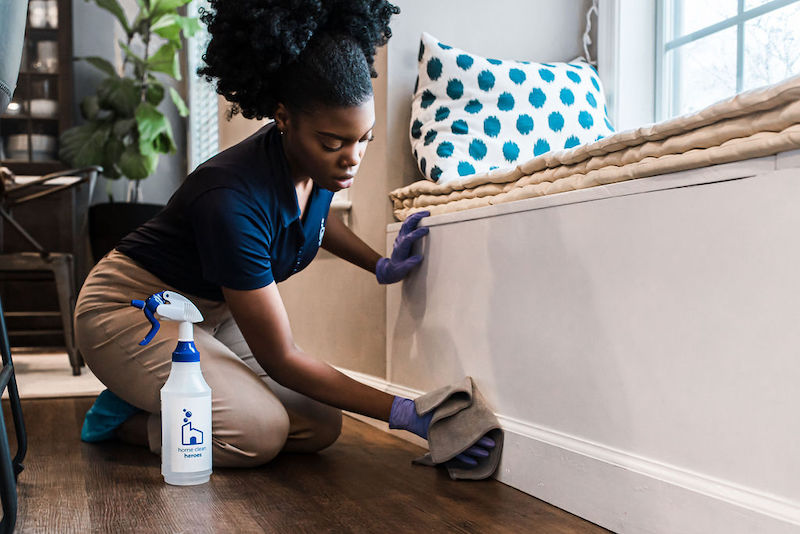
Baseboards and door frames
-
Light switches and remote controls
-
Behind appliances
-
Under furniture and beds
These neglected spots often harbor dust, bacteria, and allergens.
Vacuum and Mop With Purpose
Cleaning floors effectively requires technique, not speed.
Professional floor-care habits include:
-
Vacuuming slowly to allow suction to work
-
Using attachments for edges and corners
-
Mopping with minimal water to avoid residue
-
Changing mop water frequently
Dirty water spreads grime instead of removing it.
Use Natural Cleaning Boosters Wisely
Professionals often supplement cleaners with natural enhancers.
Helpful options:
-
Baking soda for deodorizing carpets and drains
-
White vinegar for mineral buildup and grease
-
Lemon juice for stain removal and fresh scent
These are effective when used correctly and on compatible surfaces.
Maintain Cleanliness With Small Daily Habits
The cleanest homes are maintained daily, not deep-cleaned constantly.
Simple professional habits to adopt:
-
Wipe kitchen counters every evening
-
Do a quick bathroom wipe-down daily
-
Put items back immediately after use
-
Run a robot vacuum or quick sweep regularly
Consistency dramatically reduces the need for exhausting cleaning sessions.
Know When to Call Professional Cleaners
Even professionals outsource certain tasks.
Consider expert help for:
-
Post-renovation cleaning
-
Carpet and upholstery deep cleaning
-
Move-in or move-out cleaning
-
Seasonal deep cleaning
This ensures safety, efficiency, and better long-term results.
Frequently Asked Questions
How often should a home be deep cleaned?
Most homes benefit from a deep clean every three to six months, depending on household size, pets, and lifestyle.
Are professional-grade cleaners safe for home use?
Yes, when used correctly. Always follow label instructions and avoid mixing products.
What is the best order to clean a room?
Professionals recommend starting with dusting, then cleaning surfaces, and finishing with floors.
How can I keep my home smelling clean longer?
Regular trash removal, proper ventilation, and deodorizing soft surfaces help maintain freshness.
Do microfiber cloths really make a difference?
Yes. They trap dirt and bacteria more effectively than cotton cloths or paper towels.
Is it better to clean a little every day or all at once?
Daily maintenance is more effective and less tiring than infrequent marathon cleaning sessions.
Can professional cleaning methods save time?
Absolutely. Structured routines and proper products significantly reduce cleaning time and effort.
Comments are closed.