
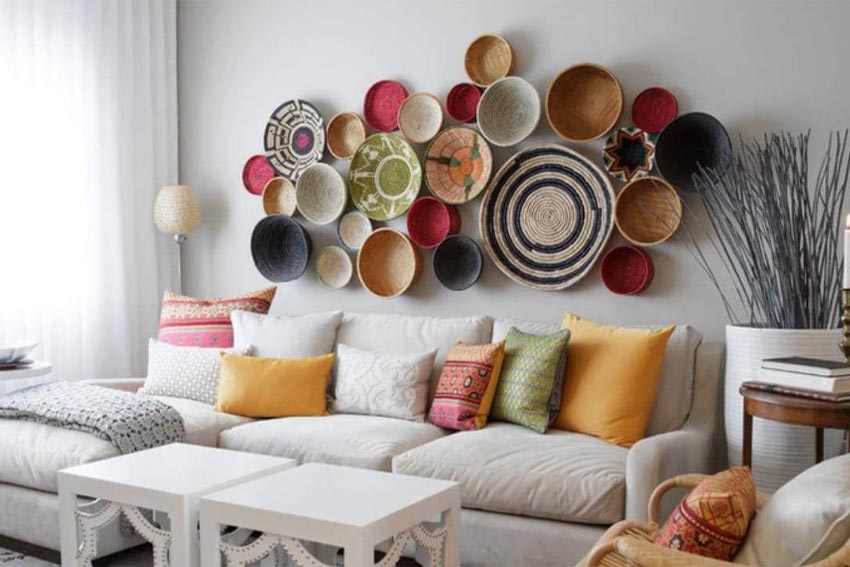

Transforming a house into a home often comes down to the finer details. While foundational furniture pieces like sofas, dining tables, and bed frames set the stage, decor accessories bring personality, warmth, and depth to a space. Thoughtfully chosen accents have the power to refresh an existing color palette, introduce dynamic textures, and reflect your personal story. Whether you are moving into a new home or looking to update a tired living space, incorporating the right decor accessories can elevate the aesthetic of any room without requiring a full renovation.
The Art of Curating Home Decor Accessories
Decorating a space is a balance between form and function. It is easy to fall into the trap of purchasing trendy items that end up creating visual chaos rather than cohesion. Curating your home accessories with intention ensures that every piece serves a purpose, whether that purpose is utility, aesthetic appeal, or emotional connection.
When selecting accessories, consider scale, texture, and visual balance. Mixing different materials such as polished metals, organic woods, woven textiles, and refined ceramics creates a rich, layered look that feels organic rather than staged. Strive for variety in height and weight when styling surfaces, grouping items in odd numbers to create balanced visual compositions.
Essential Decor Accessories for Every Home
Statement Mirrors
Mirrors are among the most versatile decorative elements you can introduce to a room. Beyond their practical use for checking your appearance, mirrors serve as visual amplifiers. Placed strategically across from windows, they reflect natural light and bounce it into darker corners, making rooms feel larger, brighter, and more inviting.
To make a distinct design statement, look for mirrors with unique frames. Sculptural wooden borders, minimalist brushed metal frames, or vintage-inspired gilded designs can act as focal points on blank walls. In smaller spaces like entryways or powder rooms, an oversized mirror can dramatically change the perception of depth.
Layered Textiles and Soft Furnishings
Textiles offer the fastest and most flexible way to update the mood of a room. They introduce warmth and tactile comfort, softening hard architectural lines and wooden or metal furniture surfaces.
-
Throw Pillows: Swap out plain cushion covers for options featuring varied textures, such as nubby bouclé, rich velvet, slubbed linen, or crisp cotton knits. Mixing subtle patterns with solid tones adds depth without overwhelming the eye.
-
Plush Throw Blankets: Drape an opulent throw over the arm of an accent chair or across the foot of a bed. Materials like chunky wool, lightweight cashmere, or organic cotton introduce inviting layers that encourage relaxation.
-
Area Rugs: A well-chosen rug anchors a room’s layout, defining functional zones within open floor plans while adding underfoot comfort and color cohesion.
Decorative Lighting Fixtures
Lighting should never be treated solely as a functional necessity; it is a critical component of interior styling. Ambient, task, and accent lighting work together to establish atmosphere, but the fixtures themselves double as striking visual accessories.
Table lamps with ceramic, alabaster, or smoked glass bases function as functional sculptures during the day and cast a warm glow in the evening. Floor lamps with arched silhouettes or delicate brass detailing can fill empty corners, adding vertical interest. Swapping out standard lampshades for textured fabric or woven paper alternatives instantly elevates the look of simple lamp bases.
Ceramic Vessels and Decorative Bowls
Vessels, vases, and bowls are foundational styling tools used by interior designers around the world. Their beauty lies in their versatility; they look equally striking displayed empty as sculptural objects or filled with seasonal botanicals.
Handcrafted ceramic vases with raw matte finishes, ribbed earthenware, or reactive glazes bring an artisanal charm to coffee tables, mantels, and bookshelves. Shallow marble or wooden trays and decorative bowls serve as elegant catch-alls on entryway console tables or sideboards, keeping daily essentials like keys, reading glasses, or decorative beads neatly gathered.
Wall Art and Gallery Displays
Walls serve as a vast canvas for expressing individual taste. Blank walls can make a room feel unfinished, whereas thoughtfully chosen wall art grounds the space and unifies the surrounding furniture.
You do not need an extensive collection of expensive originals to create an impactful display. High-quality art prints, architectural photography, framed vintage textiles, or minimalist line drawings can transform a plain room. Consider framing pieces with thick matting to create a refined gallery feel. Whether you prefer a single large statement canvas above a sofa or a curated grid of smaller frames in a hallway, wall art brings life and color to vertical surfaces.
Indoor Plants and Botanical Accents
Introducing live greenery or preserved floral arrangements brings organic life and movement into built environments. Plants bring freshness, color, and natural texture that synthetic accessories cannot replicate.
Taller plants like leafy fiddle-leaf figs, bird of paradise, or olive trees add height and structure to living rooms. Smaller potted plants, such as trailing pothos or structural succulents, look charming on floating shelves, side tables, and windowsill ledges. Complement your plants with stylish containers made of terra cotta, concrete, woven seagrass, or brushed brass to align with your interior theme.
Books and Decorative Objects
Books are foundational tools for home styling, offering opportunities to add height, color, and personality to surfaces. Displaying coffee table books featuring topics you love—such as photography, architecture, travel, or art—provides guests with an intriguing glimpse into your interests.
Stacking three or four oversized books horizontally on a coffee table or shelf creates a sturdy platform for small decorative objects, such as a small brass object, a scented candle, or a small ceramic dish. This layered approach creates visual interest and makes displays look cohesive and balanced.
Frequently Asked Questions
How do I prevent a room from looking cluttered when styling accessories?
The key to preventing clutter is editing and applying the principle of negative space. Leave empty areas on shelves and tabletop surfaces so the eye has places to rest. Group items together in small clusters rather than spreading individual objects across a surface. Periodically rotate your accessories seasonally rather than displaying every item you own at once.
What is the rule of three in interior decor?
The rule of three is a design guideline suggesting that arrangements containing an odd number of items are visually more appealing, balanced, and memorable than even-numbered groupings. Staging items in groups of three—such as pairing a tall vase, a medium-sized framed photo, and a small decorative bowl—creates a sense of depth and visual rhythm.
How can I choose decor accessories that match my existing color scheme?
Start by identifying two core neutral shades present in your major furniture or wall colors, along with one or two accent colors. When shopping for accessories like throw pillows, artwork, and ceramic vessels, select items that feature those accent colors or subtle variations of them. Incorporating metallic finishes like warm brass or matte black also helps bridge different color palettes seamlessly.
What are the best decor accessories for a small living space?
In smaller spaces, focus on functional accessories that do not consume valuable floor area. Mirrors are ideal because they bounce light and visually expand the room. Wall-mounted shelves, hanging planters, floating wall sconces, and sleek nesting trays offer style without crowding surfaces or restricting foot traffic.
How do I style a coffee table like a professional interior designer?
Begin with a foundational tray to anchor smaller items. Place a small stack of two or three coffee table books inside or alongside the tray. Top the book stack with a decorative object or a scented candle. Finish the arrangement by adding a organic element, such as a low ceramic vase filled with fresh flowers or a small potted plant, ensuring the overall height does not block conversation views across the room.
What is the difference between warm and cool decor accessories?
Warm decor accessories incorporate materials and tones like brushed brass, terracotta, natural wood, velvet, and hues of beige, rust, or gold. Cool accessories feature elements such as polished chrome, marble, glass, concrete, and shades of gray, blue, or crisp white. Combining warm and cool elements thoughtful creates a balanced, sophisticated space that feels neither overly sterile nor excessively heavy.
Comments are closed.