
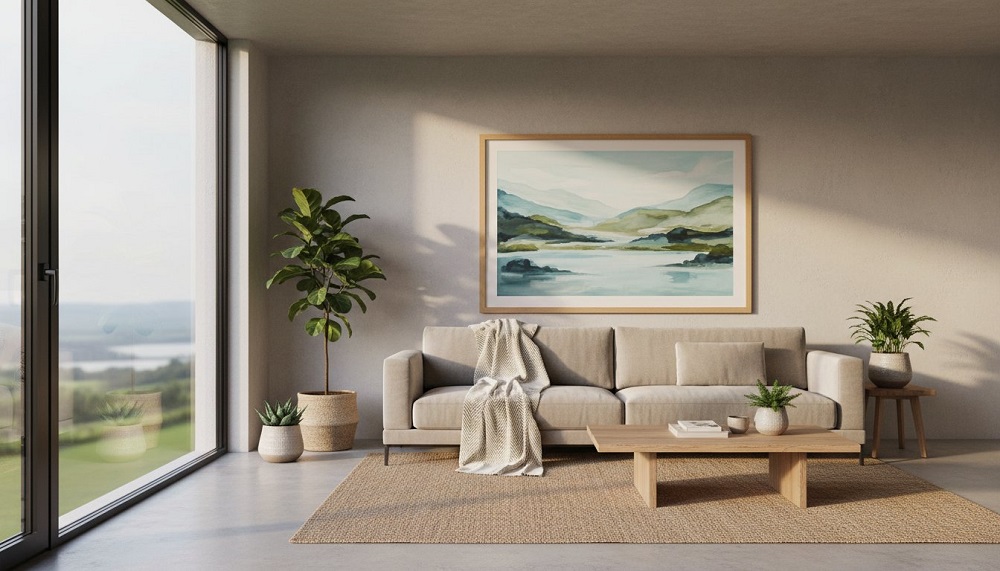

Modern life moves at an unrelenting pace. Between demanding work schedules, constant digital connectivity, and daily responsibilities, the home must serve as a sanctuary—a place to decompress, recharge, and find mental clarity. Interior design plays a profound role in shaping human psychology and emotional wellbeing. The colors on your walls, the texture of your furniture, the quality of lighting, and the layout of your physical environment directly influence your nervous system. By making intentional design choices focused on warmth, simplicity, and natural balance, you can transform any living space into a deeply calming retreat.
The Psychology of Calming Spaces
Before selecting paint colors or rearranging furniture, it is helpful to understand how our surroundings impact our mental state. Visual noise, harsh artificial lighting, and chaotic clutter trigger subtle stress responses, keeping the brain in a heightened state of alertness. Conversely, spaces that embrace organic elements, soft textures, and intuitive layouts promote lower stress levels and foster a sense of emotional security.
Creating a relaxing atmosphere does not require adhering strictly to minimal aesthetics or eliminating personal belongings. Instead, it is about intentional curation. Every object, texture, and light source should contribute to a sense of harmony rather than competing for your attention.
Harnessing the Power of Color Psychology
Color is one of the most powerful tools in interior design for setting emotional tone. Bright, saturated colors like fiery reds, vibrant yellows, and stark neon shades stimulate mental activity and energy. To cultivate tranquility, focus on soft, muted palettes inspired by the natural world.
Soothing Earth Tones and Muted Neutrals
Neutral shades provide a soft visual foundation that allows the mind to rest. Move away from clinical, cold whites and instead embrace warm neutrals that bring subtle depth and comfort to a room:
-
Warm Sand and Soft Beige: These gentle tones create a cocooning effect without feeling dark or heavy, serving as versatile backdrops for living rooms and bedrooms.
-
Sage and Olive Greens: Green carries strong psychological ties to nature, evoking feelings of renewal, balance, and quiet restfulness.
-
Muted Blues and Slate: Soft blues lower heart rates and promote mental calmness, making them ideal choices for sleeping areas and reading nooks.
-
Soft Terracotta and Warm Taupe: Subtle clay shades add grounding warmth, making large rooms feel more intimate and inviting.
When establishing a soothing color palette, limit the core room colors to three or four complementary shades. Keeping color transitions subtle between rooms helps create a cohesive visual flow throughout the entire home.
Lighting Design for Rest and Recovery
Lighting has a direct biological effect on human circadian rhythms. Exposure to harsh, cool-spectrum overhead lighting in the evening suppresses melatonin production, making it difficult to unwind after a long day. Designing a multi-layered lighting strategy allows you to adjust the ambiance based on the time of day and desired mood.
Embracing Natural Daylight
Maximize natural sunlight during daytime hours to boost mood and energy levels. Keep window treatments light and airy using sheer linen drapes, or install adjustable wooden blinds that allow daylight to filter through while maintaining privacy. Position seating areas near windows to take full advantage of natural views and daylighting.
Layering Warm Ambient Lighting
As daylight fades, transition away from bright overhead lights and rely on secondary, warm-toned light sources. Aim for light bulbs with a warm color temperature between 2700K and 3000K, which mimic the gentle golden glow of sunset.
-
Floor Lamps with Fabric Shades: Diffuse light evenly across room corners, eliminating harsh shadows.
-
Dimmable Wall Sconces: Provide subtle, indirect illumination that washes softly over vertical wall surfaces.
-
Table Lamps with Opaque Bases: Offer warm task lighting on side tables and nightstands without creating glare.
-
Candlelight: The gentle flickering light of natural wax candles adds an immediate layer of sensory relaxation and intimacy.
Engaging the Senses with Tactile Textures
Relaxation is a multisensory experience. A room may look visually appealing, but if the surfaces feel cold or uncomfortable, the space will fail to provide genuine physical relaxation. Layering tactile, natural materials invites physical touch and softens room acoustics.
Incorporating Natural and Organic Materials
Synthetic materials often lack the sensory warmth provided by nature. Bringing raw, textured elements into your living space grounds the room and creates a strong connection to the outdoors:
-
Unfinished and Natural Woods: Wooden furniture, exposed ceiling beams, and teak accents bring rich grain patterns and natural warmth.
-
Natural Fibers: Swap out synthetic rugs and blankets for natural wool, breathable linen, organic cotton, and woven jute.
-
Stone and Ceramics: Matte stone surfaces, marble coasters, and hand-thrown ceramic vessels add subtle grounding weight to tabletops and shelves.
Layering Soft Textiles for Maximum Comfort
Textiles serve as the soft armor of a relaxing home. Layer different fabric weights across seating and bedding areas to create an inviting environment. Pair a smooth linen sofa with chunky knit wool throw blankets and plush velvet accent pillows. In the bedroom, select breathable cotton or washed linen bedding that feels soft against the skin, encouraging deep, restful sleep.
Decluttering and Managing Visual Noise
It is nearly impossible to cultivate a calm mind in a physically cluttered space. Disorganization constantly signals unfinished tasks to the brain, maintaining elevated cognitive stress. However, decluttering for relaxation is not about living in an empty room; it is about managing visual weight and establishing intuitive organization systems.
Concealed Storage versus Curated Displays
Keep everyday clutter—such as paperwork, electronic chargers, cables, and excess media—concealed within attractive storage furniture. Use sideboard cabinets with solid doors, deep wooden drawers, and woven seagrass baskets to keep essential items accessible yet out of sight.
Reserve open surfaces, like coffee tables, floating shelves, and mantels, for a few intentionally chosen objects that evoke positive memories. Displaying a single ceramic vase with fresh branches, a small stack of favorite books, or a beloved piece of art allows each item to be appreciated without overwhelming the space.
Managing Acoustic Comfort
Sound plays a massive role in how peaceful a space feels. Hard, bare surfaces like concrete, tile, and uncarpeted hardwood reflect sound waves, creating echoes that heighten ambient noise. Soften room acoustics by introducing thick area rugs with felt underlays, heavy drapery over windows, upholstered wall panels, and plush soft furniture to absorb excess sound and create a quiet, muffled environment.
Integrating Biophilic Design and Greenery
Biophilic design centers on the innate human desire to connect with nature. Incorporating living plants into interior spaces improves indoor air quality, increases humidity levels, and introduces organic shapes that break up rigid architectural lines.
Select low-maintenance indoor plants that thrive in your home lighting conditions. Tall, structural plants like fiddle-leaf figs, rubber trees, or snake plants bring life to empty room corners. Trailing varieties like pothos, heartleaf philodendron, or English ivy look charming on high shelves, cascading down to add soft movement. If live plants are challenging to maintain, high-quality dried florals, preserved eucalyptus stems, or branches arranged in tall floor vases offer similar visual tranquility without requiring daily care.
Frequently Asked Questions
What is the single most important change I can make to make my living room feel more relaxing immediately?
The most immediate and impactful change you can make is adjusting your lighting strategy. Turn off bright, cool-toned overhead ceiling lights in the evening and rely entirely on warm-toned floor lamps, table lamps, and candles positioned at or below eye level to signal to your nervous system that it is time to rest.
How can I create a peaceful, relaxing atmosphere in a home with small children or pets?
Focus on durable, easy-to-clean materials that eliminate daily stress regarding spills and stains. Choose performance fabrics for sofas, washable area rugs, and round wooden furniture without sharp edges. Utilize closed storage solutions, like large woven baskets with lids, so toys and pet supplies can be swept away quickly at the end of the day.
Can dark wall colors ever feel relaxing, or should I stick exclusively to light neutrals?
Dark wall colors can feel deeply relaxing when executed correctly. Deep moody shades like navy blue, forest green, charcoal, or dark plum create a cozy, protective, and intimate cocooning effect. Dark colors work particularly well in bedrooms, media rooms, or quiet study spaces when paired with warm ambient lighting and rich textures.
How do I make a small apartment feel serene without making it look completely empty?
Focus on unified color palettes, multi-functional furniture with built-in hidden storage, and vertical wall space. Using a large, light-colored area rug anchors the room and visually expands the floor area, while hanging mirrors across from windows bounces natural light throughout the apartment. Keep flat surfaces clear of minor clutter by storing everyday items inside closed cabinets.
What scent profiles are best for promoting relaxation in a home environment?
Natural, grounding scents like lavender, sandalwood, cedarwood, chamomile, bergamot, and frankincense are known for their calming properties. Use natural essential oil diffusers, beeswax candles, or fresh botanical arrangements like eucalyptus branches to introduce subtle aromas without relying on overpowering, synthetic air fresheners.
How can I design a bedroom layout specifically optimized for restorative sleep?
Position your bed against a solid wall facing the doorway, but not directly in line with the door, to create a psychological sense of safety and grounding. Keep work desks, exercise equipment, and televisions out of the bedroom whenever possible to establish a strict mental boundary between active tasks and physical rest. Use blackout window treatments to block outside light completely during sleeping hours.
Comments are closed.