
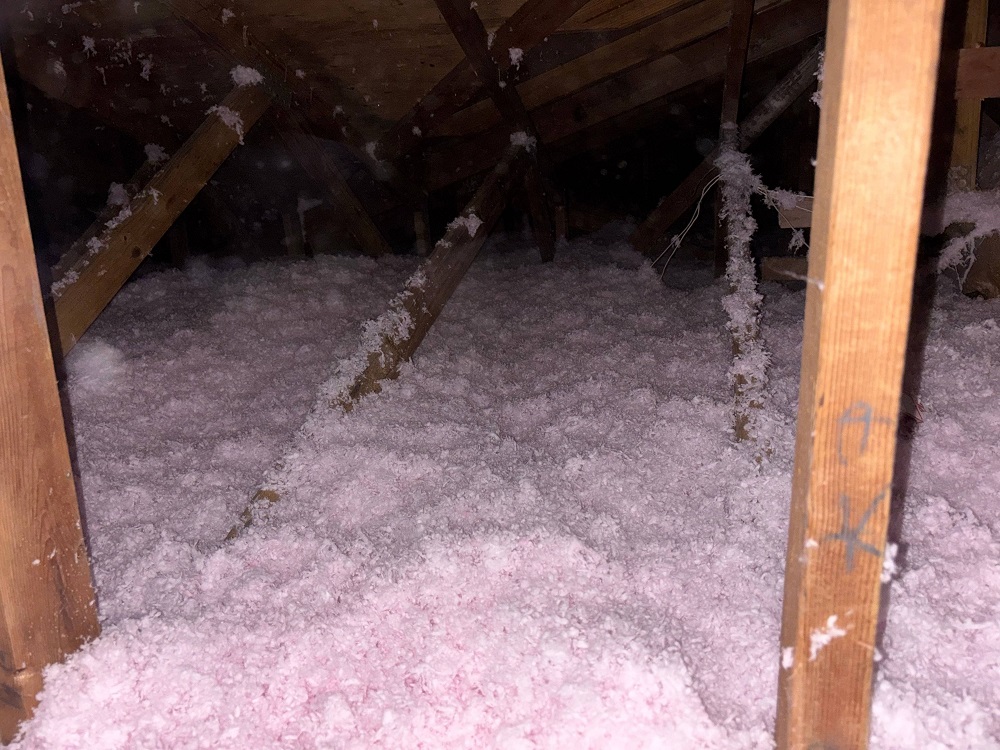

Cooling accounts for one of the largest portions of electricity use in South Florida homes. Many homeowners replace HVAC equipment hoping to lower utility bills, while the real problem is excessive heat entering through the attic. Before comparing blow in attic insulation cost, it is worth evaluating how much money inadequate attic insulation wastes every month.
When solar radiation heats a roof, attic temperatures can exceed 130–150°F. Without an effective insulation layer, that heat transfers through the ceiling into living areas, forcing the air conditioner to run longer and consume more electricity. Proper attic insulation slows this heat transfer, helping the HVAC system maintain the desired indoor temperature with less effort.
☀️ Why Attic Insulation Has the Greatest Impact in Hot Climates
Heat naturally moves from hotter areas to cooler ones. In South Florida, the attic becomes a constant source of heat for the home. Every hour that excessive attic heat enters the conditioned space increases cooling demand.
Proper attic insulation helps:
- ✅ Reduce heat transfer through the ceiling.
- ✅ Keep indoor temperatures more consistent.
- ✅ Lower HVAC runtime during peak afternoon hours.
- ✅ Reduce monthly cooling costs.
Improving attic insulation often delivers a higher return on investment than replacing windows or upgrading HVAC equipment because it addresses one of the home’s largest sources of heat gain.
🌡️ Blow-In Insulation Covers Areas Batt Insulation Often Misses
Gaps around electrical wiring, plumbing, framing, recessed lighting, and irregular attic spaces allow heat to bypass traditional insulation. These thermal gaps reduce overall system performance.
Blow-in insulation fills these difficult areas without leaving significant voids, creating a more continuous thermal barrier across the attic floor. Uniform coverage minimizes heat leakage and improves the effective R-value of the insulation system.
Unlike many older insulation materials, professionally installed blow-in insulation can restore thermal performance without major structural modifications.
💨 Lower Cooling Bills Come From Reduced HVAC Workload
Air conditioners remove heat—not create cool air. The less heat entering the home, the less work the system performs.
With properly insulated attics, homeowners commonly experience:
- 🔹 Shorter cooling cycles.
- 🔹 More stable room temperatures.
- 🔹 Lower electricity consumption.
- 🔹 Reduced wear on compressors and air handlers.
Reducing HVAC operating time can also extend equipment lifespan while lowering maintenance costs.
🏠 Old Insulation May No Longer Perform as Intended
Many existing insulation systems lose effectiveness over time. Compression, moisture exposure, rodent contamination, dust accumulation, and aging all reduce insulating performance.
Adding new insulation over damaged material often fails to solve the underlying problem. Professional removal of contaminated insulation before installing new material restores full thermal performance and improves indoor air quality by eliminating debris, allergens, and pest residue trapped inside the attic.
🌴 Complete Attic Performance Goes Beyond Insulation
Energy efficiency depends on the entire attic system. Air leaks, contaminated insulation, poor ventilation, and dirty HVAC ducts all increase cooling demand.
A complete attic upgrade may include:
- ✅ Blow-in insulation installation.
- ✅ Old insulation removal.
- ✅ Attic sanitizing.
- ✅ Spray foam for air sealing.
- ✅ Air duct cleaning.
When these components work together, homeowners benefit from lower cooling costs, improved indoor comfort, cleaner air, and more efficient HVAC operation. Professional attic evaluations performed by Attic Fanatics help identify the specific issues responsible for excessive energy loss, allowing homeowners to invest in improvements that produce measurable long-term savings instead of temporary fixes.
Attic Fanatics USA
📍 Address: 5821 SW 21st St, West Park, FL 33023
📧 Email: [email protected]
📞 Phone: +1 (833) 381-1383
Comments are closed.