
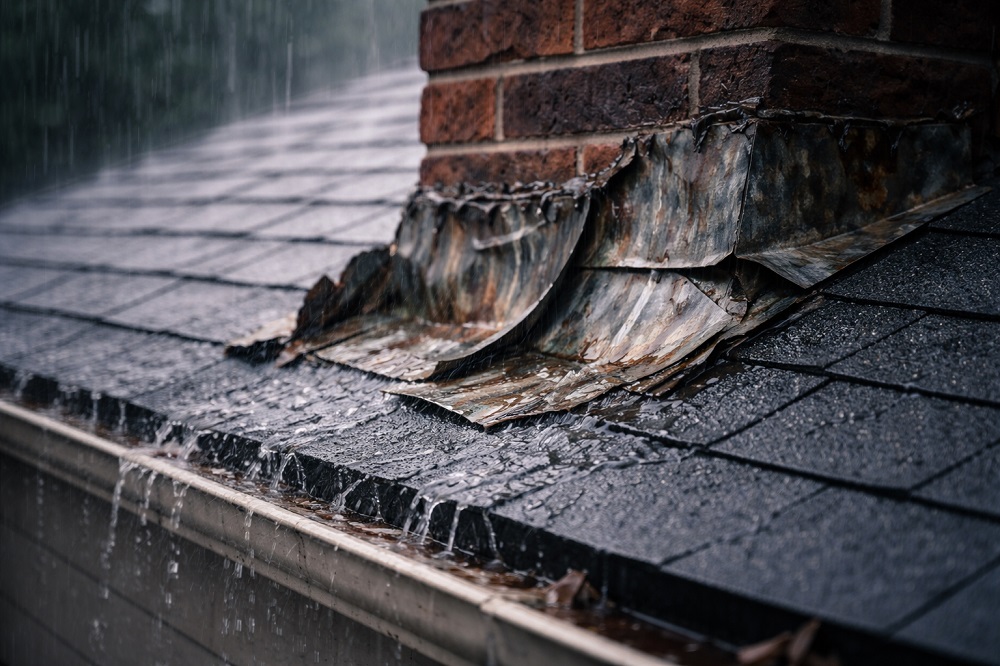

A home’s roof is its first line of defense against environmental elements. Day after day, it absorbs relentless exposure to intense sunlight, heavy rains, freezing temperatures, high winds, and falling debris. Over time, even the most durable roofing systems experience wear and tear. When small defects go unnoticed, water slowly trickles past protective barriers, causing structural rot, mold proliferation, damaged insulation, and costly interior drywall repairs. Developing a proactive roof maintenance routine and understanding the key vulnerabilities of your roofing system are the most effective ways to prevent leaks, extend the lifespan of your roof, and protect your home investment.
Understanding the Anatomy of a Roofing System
Preventing roof damage requires a basic understanding of how the components of a modern roof work together to shed water. A roof is not merely a single layer of shingles; it is an integrated weatherproofing system engineered to direct water safely off the structure.
-
Roof Decking: The structural wooden sheathing, typically made of plywood or oriented strand board, attached directly to the roof rafters.
-
Underlayment: A water-resistant or waterproof barrier, often made of asphalt-saturated felt or synthetic materials, installed directly over the decking to provide a secondary line of defense against moisture.
-
Roof Covering: The visible outer layer, such as asphalt shingles, clay tiles, metal panels, or slate, designed to shed water, resist wind lift, and protect against ultraviolet radiation.
-
Flashing: Thin sheets of corrosion-resistant metal, usually aluminum or galvanized steel, installed at vulnerable intersections to prevent water penetration.
-
Eaves and Gutters: The lower edges of the roof system designed to collect water runoff and channel it away from the foundation walls through downspouts.
When any single component in this assembly fails or deteriorates, water finds the path of least resistance, leading to internal leaks and structural damage.
Conducting Biannual Roof Inspections
Regular inspections are fundamental to effective home maintenance. You should evaluate your roof’s condition at least twice a year—typically in the spring and autumn—as well as immediately following severe storms with hail or high winds.
Exterior Inspection from the Ground
You do not always need to climb onto a ladder to assess your roof’s health. Using a pair of binoculars from the ground allows you to safely check for obvious signs of damage across the roof surface:
-
Missing, Cracked, or Curling Shingles: Extreme heat causes shingles to dry out and curl at the edges, while strong winds can snap or lift aged shingles entirely.
-
Granule Loss in Gutters: Asphalt shingles are coated with mineral granules that protect them from sun damage. Finding large amounts of dark sand-like granules in your gutters indicates that your shingles are reaching the end of their operational lifespan.
-
Damaged Flashing: Look closely at the metal trim surrounding chimneys, skylights, plumbing vents, and roof valleys for signs of rust, loose seals, or missing sections.
-
Sagging Rooflines: A noticeably uneven or sagging roofline suggests structural framing issues, rotting decking, or excessive moisture retention beneath the shingles.
Interior Attic Inspections
The underside of your roof deck often reveals water intrusion long before leaks manifest as visible ceiling stains in living areas. Take a flashlight into your attic during or immediately after a heavy rainstorm to search for warning signs:
-
Water Stains and Discoloration: Dark streaks, water rings, or damp spots on rafters, wooden decking, or ceiling insulation point directly to active leaks above.
-
Musty Odors and Mold Growth: Persistent damp smells or visible dark mold patches on attic wood indicate poor ventilation, high humidity, and chronic moisture leaks.
-
Daylight Pinholes: Turn off your flashlight and look around the attic space. If you see daylight shining through small gaps in the roof deck, water can easily follow that same path during wind-driven rain.
Maintaining Gutters and Drainage Systems
Clogged gutters are among the leading causes of preventable roof leaks and home moisture issues. When gutters become filled with leaves, twigs, pine needles, and dirt, rainwater cannot drain properly. Instead, water backs up along the roof’s edge, pooling under the lowest rows of shingles.
Over time, this standing water rotted the wooden fascia boards, rots the underlying decking, and leaks through the eaves into exterior walls.
Clean your gutters and downspouts thoroughly at least twice annually. Ensure downspouts feature extensions that direct rainwater runoff at least five to six feet away from your home’s foundation. Installing high-quality mesh or micro-mesh gutter guards can drastically reduce debris buildup, keeping water flowing freely throughout heavy storms.
Trimming Overhanging Tree Branches
Trees add shade, beauty, and value to a property, but overhanging branches pose severe hazards to a roof. During storms, high winds can snap heavy limbs, dropping them directly onto the roof deck and causing catastrophic structural damage.
Even healthy branches present subtle risks. When tree limbs rest on or brush against shingles, wind movement causes them to scrape away protective mineral granules continuously, eroding the weatherproofing surface over time. Furthermore, dense tree canopies cast constant shade over the roof, creating damp microclimates that promote moss, algae, and lichen growth. Moss acts like a sponge, retaining moisture against the shingles and lifting their edges, allowing wind-driven rain to seep beneath.
Trim all tree branches back so they maintain a minimum clearance of ten to twelve feet from your roofline.
Ensuring Proper Attic Ventilation and Insulation
Roof preservation extends beyond managing surface elements; internal environmental control is equally critical. Balanced attic ventilation protects your roof from the inside out by regulating temperature and moisture levels.
Preventing Summer Heat Buildup
During hot summer months, unventilated attics can reach temperatures exceeding 150 degrees Fahrenheit. This extreme heat bakes the underside of the roof deck, causing asphalt shingles to prematurely age, blister, and crack. Proper intake vents at the soffits and exhaust vents along the ridge allow hot air to escape continuously, preserving shingle integrity.
Preventing Winter Ice Dams
In colder climates, poor attic insulation and inadequate ventilation lead to a destructive phenomenon known as ice dams. Heat escaping from living areas warms the attic space, melting the snow accumulation on the upper sections of the roof. As this melted water flows down to the unheated roof eaves, it freezes again, forming a thick ridge of ice.
Subsequent meltwater pools behind this ice barrier, backing up under the shingles and leaking directly into the attic, walls, and interior ceilings. Installing adequate attic insulation alongside a continuous ice and water shield membrane along the eaves provides crucial protection against ice dam infiltration.
Frequently Asked Questions
How often should I have a professional roofer inspect my home?
While homeowners should conduct ground and attic checks biannually, a licensed, professional roofing contractor should perform a comprehensive roof inspection every three to five years. Professionals possess the training and safety equipment required to walk steep roof slopes, inspect hidden flashing seals, and identify subtle material failures before they turn into major structural leaks.
What should I do immediately if I discover an active roof leak during a heavy rainstorm?
First, contain the water inside your home by placing buckets or plastic tubs beneath the dripping area, and move furniture and valuables away from the leak. If the ceiling drywall is bulging or holding standing water, carefully poke a small hole in the center of the bulge with a screwdriver to release the water pressure and prevent a wider ceiling collapse. Once the storm passes, arrange for a professional roofer to inspect and patch the exterior damage safely.
Can I install new asphalt shingles directly over my existing layer of old shingles?
While building codes in some jurisdictions permit installing a second layer of asphalt shingles over a single existing layer, it is generally not recommended by professional roofers. Overlaying shingles adds significant weight to your roof structure, prevents roofers from inspecting the underlying wooden decking for rot, and voids many manufacturer warranties. Tearing off the old roofing material ensures a clean, sound surface for new underlayment and shingles.
How long does a standard asphalt shingle roof typically last?
A standard three-tab asphalt shingle roof generally lasts between 15 and 20 years, while higher-grade dimensional or architectural asphalt shingles can last between 25 and 30 years under normal weather conditions. Factors such as regional weather severity, proper attic ventilation, tree cover, and routine maintenance significantly influence the actual lifespan of your roofing system.
Why are roof valleys particularly prone to developing leaks?
Roof valleys are the internal angles formed where two intersecting roof slopes meet. Because large volumes of rainwater from both slopes funnel directly through these channels toward the gutters, valleys experience higher water pressure and continuous wear compared to flat roof surfaces. If the valley flashing or sealant deteriorates, or if debris collects in the channel, water can easily penetrate the roof structure.
Is it safe to pressure wash my roof to remove dark moss and algae stains?
No, you should never pressure wash an asphalt shingle roof. The high-pressure water stream strips away the protective mineral granules from the shingle surface, drastically shortening its lifespan and exposing the underlying asphalt layer to UV damage. Instead, use a low-pressure chemical cleaning solution specifically formulated for roofs, applied by a soft-wash professional, to remove algae and moss safely.
Comments are closed.