
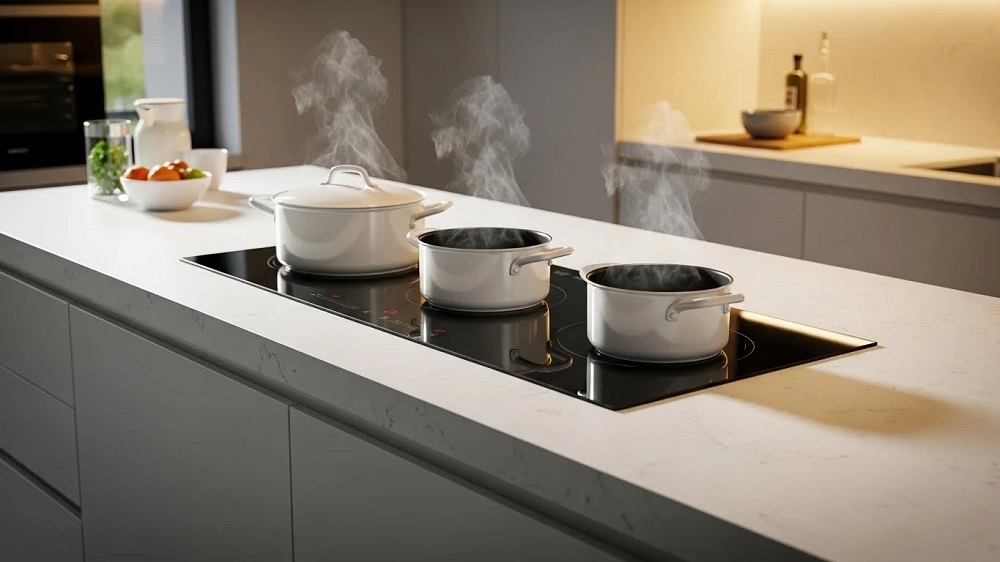

The kitchen is the undisputed heart of the home, but it is also a high-intensity work zone exposed to extreme temperatures, sharp utensils, and frequent spills. High-heat appliances like cast-iron skillets fresh from the oven, boiling stockpots, and searing baking sheets present daily hazards to kitchen countertops, backsplashes, and prep tables. Selecting the right heat-resistant materials for your kitchen surfaces is vital to ensuring long-term safety, preventing unsightly surface damage, and protecting your financial investment. Understanding how different natural and engineered materials handle extreme heat helps homeowners make informed choices tailored to their cooking habits and lifestyle.
Understanding Heat Resistance versus Heat Tolerance
Before evaluating specific kitchen surface materials, it is important to clarify a common misconception in kitchen design: the distinction between heat resistance and heat tolerance. While these terms are frequently used interchangeably, they represent different levels of material performance under thermal stress.
Heat-tolerant materials can endure moderate heat exposure without melting or burning immediately, but prolonged contact with direct, extreme temperatures will cause structural degradation, discoloration, or cracking over time. On the other hand, truly heat-resistant materials can withstand extreme, direct heat—such as a hot pot placed straight onto the surface—without sustaining permanent damage, warping, or altering chemically. Recognizing these limitations prevents accidental damage and extends the lifespan of your kitchen counter surfaces.
Top Heat-Resistant Materials for Kitchen Countertops
When selecting countertop surfaces, evaluating their thermal properties alongside stain resistance, maintenance requirements, and visual appeal ensures a balanced, functional kitchen layout.
Natural Granite: The Gold Standard for Heat Resistance
Granite remains one of the most durable and heat-resistant natural stones available for residential kitchen countertops. Formed under immense geological pressure and intense heat deep within the Earth’s crust, natural granite handles hot cookware effortlessly.
-
Thermal Performance: Granite easily withstands temperatures well above 400 degrees Fahrenheit without scorching, burning, or cracking. Placing a hot pan directly on a granite surface rarely damages the stone itself.
-
Maintenance Considerations: While the stone is virtually impervious to heat, the protective sealants applied to natural granite to prevent staining can degrade under direct, repeated thermal shock. Using trivets is still recommended to preserve the sealant layer over time.
Porcelain and Sintered Stone: Modern Engineered Excellence
Porcelain slabs and sintered stone represent the cutting edge of surface engineering technology. Manufactured by subjecting natural minerals and clays to extreme pressures and firing temperatures exceeding 2,000 degrees Fahrenheit, these surfaces are uniquely built for heavy kitchen use.
-
Thermal Performance: Sintered stone and porcelain slabs exhibit exceptional heat resistance. They are completely immune to thermal shock, meaning hot pans, baking trays, and boiling liquids can rest directly on the surface without risk of burning, yellowing, or cracking.
-
Additional Benefits: These non-porous surfaces resist moisture absorption, scratches, and harsh UV rays, making them ideal for both indoor kitchens and outdoor grilling stations.
Stainless Steel: Industrial Grade Durability
Stainless steel has long been the gold standard in commercial restaurant kitchens due to its hygienic properties, exceptional durability, and heat resistance. It offers a sleek, modern, industrial aesthetic for residential kitchens.
-
Thermal Performance: Stainless steel is completely fireproof and heat-resistant. Hot pans, roaring open flames, and hot baking sheets will not burn, warp, or scorch the steel surface.
-
Trade-Offs: While heat will not compromise stainless steel structurally, the metal conducts heat quickly, meaning adjacent areas of the countertop may become warm to the touch. It is also prone to showing minor scratches and fingerprints over time, which develop into a worn patina.
Soapstone: Classic Aesthetics with Natural Thermal Resistance
Soapstone is a natural metamorphic rock composed primarily of mineral talc, rich in magnesium and iron. Historically used in science laboratory tables, soapstone is renowned for its incredible chemical and thermal stability.
-
Thermal Performance: Soapstone is naturally non-porous and incredibly heat-resistant. It absorbs and distributes heat evenly without cracking or scorching, allowing cooks to place piping hot pans directly onto its surface with total peace of mind.
-
Aesthetic Appeal: Soapstone develops a rich, dark patina over time, especially when treated with mineral oil. Its soft texture gives it a warm, tactile feel that complements rustic, transitional, and traditional kitchen designs.
Popular Countertop Materials Requiring Heat Protection
While some materials excel at handling extreme temperatures, other highly popular kitchen surfaces require careful management and thermal protection to prevent costly surface damage.
Quartz Countertops (Engineered Stone)
Quartz is one of the most popular kitchen surface materials today due to its vast array of designs, non-porous nature, and low maintenance requirements. However, quartz is an engineered stone composed of approximately 90 percent natural crushed quartz aggregate bound together with 10 percent polymer resins and pigments.
These resin binders are susceptible to thermal shock and heat damage. Placing a hot skillet directly onto a quartz surface can cause the resins to burn, resulting in permanent yellowing, discoloration, or deep surface cracks. Always use trivets or hot pads on engineered quartz surfaces.
Solid Surface Materials
Solid surface countertops offer seamless designs and easy maintenance, but they are composed primarily of acrylic or polyester resins. As a result, solid surfaces have low heat resistance. Hot cookware can scorch, melt, or blister the acrylic material, requiring professional sanding and repair to restore the surface.
Butcher Block and Solid Wood
Wooden countertops and butcher blocks bring natural warmth, rich grain, and timeless charm into a kitchen. While wood handles mild warmth well, direct contact with hot pans will burn, scorch, or char the finish and raw wood fibers. Extreme temperature changes can also dry out the wood, leading to warping or splitting along glue seams.
Protecting Your Kitchen Surfaces: Best Practices
Regardless of the countertop material installed in your home, establishing safe kitchen habits protects your surfaces and ensures long-term performance:
-
Always Use Trivets and Hot Pads: Placing trivets made of silicone, cast iron, or cork between hot cookware and your countertop provides an essential safety buffer against thermal shock.
-
Protect Countertops Near Cooktops: Ensure adequate clearance between gas burner flames or electric heating elements and nearby vertical backsplashes or side counters to prevent radiant heat damage.
-
Utilize Heat-Resistant Cutting Boards: Wooden or silicone prep boards act as secondary barriers when transferring hot items directly out of toaster ovens, air fryers, or microwave units.
-
Maintain Protective Sealants: For natural stone countertops like granite and marble, reapply protective sealants according to manufacturer guidelines to preserve resistance against heat-induced stain absorption.
Frequently Asked Questions
Can placing a hot pan directly on a marble countertop cause permanent damage?
While natural marble is technically heat-resistant and will not burn or melt, placing a hot pan directly onto a marble surface can trigger thermal shock, leading to deep structural cracks. Additionally, the extreme heat can damage or burn the protective sealer applied to the stone, leaving the porous marble vulnerable to etching and permanent staining from oils or dark liquids.
Why did my quartz countertop turn yellow after placing a hot appliance on it?
Engineered quartz countertops contain polymer resins that bind the natural quartz crystals together. When exposed to direct heat from hot pans, slow cookers, or air fryers, these resin binders undergo a chemical reaction that causes them to scorch and discolor permanently, resulting in yellow or brown burn marks.
Are ceramic tiles heat-resistant enough for kitchen backsplashes behind gas ranges?
Ceramic and porcelain tiles are exceptionally heat-resistant because they are fired at extremely high temperatures during manufacturing. They easily withstand radiant heat and open flames from cooktops, making them an ideal, safe material choice for backsplashes directly behind gas burners or wall ovens.
How do slow cookers and air fryers affect sensitive countertop surfaces over long periods?
Appliances like slow cookers, air fryers, and toaster ovens emit continuous, high radiant heat from their undersides over several hours. On resin-based surfaces like quartz or solid surface materials, this prolonged heat exposure can cause localized warping, resin discoloration, or hairline cracks. Placing a heat-resistant mat or cutting board underneath these appliances safely protects the counter beneath.
What is thermal shock, and how does it damage stone countertops?
Thermal shock occurs when a cold or room-temperature material experiences a sudden, extreme temperature spike in a concentrated area—such as setting a 400-degree cast-iron skillet onto a cold stone surface. The rapid, uneven expansion of the stone creates internal stress, which can cause natural stone or quartz to crack instantly.
Is concrete a heat-resistant option for custom kitchen countertops?
Concrete is naturally heat-resistant and will not burn or melt under hot cookware. However, the sealer used to make concrete non-porous and stain-resistant can scorch, discolor, or peel when exposed to direct heat. To preserve the finish on concrete countertops, trivets should always be used.
Comments are closed.