
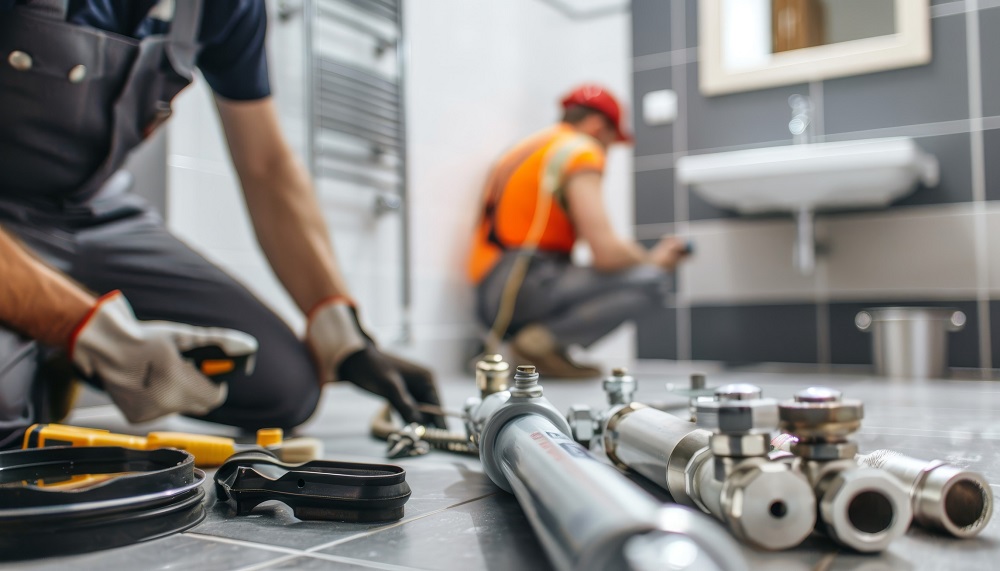

A well-functioning plumbing system is essential for maintaining comfort, hygiene, and overall convenience in any modern home. From providing clean drinking water to carrying away waste safely, indoor plumbing operates quietly behind walls and beneath floors every single day. However, because much of a home’s pipe infrastructure remains out of sight, minor plumbing issues often go unnoticed until they evolve into major, expensive emergencies.
While some minor issues like a loose faucet handle or a simple drain clog can be handled with basic home tools, many plumbing problems require the expertise, specialized diagnostic equipment, and licensing of a professional plumber. Ignoring subtle warning signs can lead to structural water damage, health hazards from mold, and inflated monthly utility bills. Recognizing early indicators that your plumbing system requires expert intervention can save you significant time, stress, and money.
Unexplained Spikes in Water Bills
One of the most reliable indicators of a hidden plumbing leak is a sudden, unexplained increase in your monthly water utility bill. If your household’s daily water usage habits have not changed, yet your bill shows a sharp rise in consumption, water is likely escaping somewhere within your system.
A hidden leak from a slab foundation pipe, a running toilet line, or a cracked pipe concealed within a drywall cavity can waste thousands of gallons of water per month. Professional plumbers use acoustic leak detection equipment, thermal imaging cameras, and pipe pressure tests to locate the precise source of hidden leaks without tearing open unnecessary sections of your home.
Persistent Low Water Pressure Throughout the Home
A sudden drop in water pressure can make showering, washing dishes, and running laundry frustratingly slow. While localized low pressure in a single fixture might simply point to a clogged aerator or mineral buildup, a systemic drop in water pressure across multiple faucets indicates a more serious issue within the main supply line.
-
Main Line Leaks: A crack or break in the underground water line feeding your home allows water to escape into the soil, drastically reducing pressure to indoor fixtures.
-
Corroded Galvanized Pipes: Older homes with galvanized iron piping often suffer from internal rust and mineral scale buildup, which narrows the pipe diameter over time and restricts overall water flow.
-
Faulty Pressure Regulator: A failing pressure-reducing valve near your main shutoff valve can cause water pressure to drop sharply or fluctuate dangerously.
Attempting to resolve main line pressure issues without professional training can damage home fixtures or cause sudden pipe bursts due to improper pressure balancing.
Sluggish or Consistently Backed-Up Drains
It is common for an individual drain to slow down occasionally due to accumulated hair, soap scum, or grease. However, when multiple drains throughout your home—such as the bathroom sink, shower, and kitchen basin—start draining slowly simultaneously, the issue extends far beyond a simple surface clog.
Multiple slow drains point directly to a blockage or restriction deep within your home’s main sewer line. Tree root intrusion, collapsed sewer pipes, or heavy grease buildup in the main lateral line can block waste water from exiting your property. Continuing to use plumbing fixtures during a main line blockage can cause raw sewage to back up into low-lying drains, such as basement showers or floor drains, creating severe health hazards and property damage.
Unpleasant Odors and Sewer Gas Smells
A healthy plumbing system should completely isolate your living spaces from the unpleasant smells of wastewater and sewage. If you notice persistent foul odors near sinks, drains, or in your yard, your plumbing infrastructure is compromised.
Sewage Smells Near Indoor Drains
Every drain fixture in your home features a curved section of pipe called a P-trap, which holds standing water to block sewer gases from rising into your living areas. If a P-trap dries out, cracks, or loses its seal due to improper venting, sewer gas containing harmful methane and hydrogen sulfide can leak into your home. A professional plumber can inspect your drain vent stacks and pipe seals to eliminate toxic gas leaks safely.
Damp, Musty Smells and Mold Growth
Persistent damp, earthy smells behind cabinets, in basements, or along baseboards often signal hidden water leaks. Moisture trapped inside wall cavities creates an ideal breeding ground for toxic mold and mildew within twenty-four to forty-eight hours. If you smell moisture but cannot locate an active leak, a plumber can conduct a comprehensive moisture and pressure check across your pipe network.
Strange Noises Within the Piping Network
Pipes are designed to transport water quietly. Unusual noises coming from your walls, basement, or water heater when running taps indicate mechanical or physical issues within the system that demand professional repair.
-
Banging or Knocking (Water Hammer): A loud thud when turning off a faucet quickly occurs when high water pressure creates a sudden hydraulic shockwave. Unresolved water hammer can loosen pipe joints and cause sudden line ruptures.
-
Gurgling Drains or Toilets: If your toilet gurgles when you run the bathroom sink or shower, air is being trapped inside your drain lines due to a blocked sewer vent pipe or a developing main sewer line clog.
-
Hissing or Whistling Sounds: A constant high-pitched whistling noise near fixtures or valves usually indicates excessive water pressure or a worn internal valve washer leaking pressurized water continuously.
Discolored or Rusty Tap Water
When you turn on your faucets, the water flowing out should always be crystal clear. Discolored or murky water is a clear sign that contamination or pipe degradation is occurring somewhere within your plumbing system.
Brown, red, or yellow water typically points to severe rust inside aging iron or steel supply pipes, or internal corrosion within your hot water heater tank. Greenish-blue staining on porcelain sinks or light-colored fixtures suggests that copper pipes are corroding due to highly acidic water levels. Drinking or cooking with contaminated, rusty water presents health risks and shortens the lifespan of home appliances.
Discolored Drywall, Water Stains, and Peeling Paint
Water always follows the path of least resistance. Small pinhole leaks in supply lines concealed behind walls or above ceilings often go unnoticed for weeks until moisture saturates the surrounding building materials.
Visual indicators on interior surfaces include yellow or brown rings on ceilings, bubbling wall paint, peeling wallpaper, warped baseboards, or sagging drywall. By the time these physical symptoms manifest inside your living spaces, significant structural damage and mold growth may have already occurred behind the wall. Professional plumbers use moisture meters and specialized video cameras to pinpoint hidden pipe leaks without causing unnecessary destruction to your home.
Frequently Asked Questions
What causes my water heater to make loud rumbling or popping sounds during heating cycles?
Loud rumbling or popping noises coming from a water heater are caused by heavy mineral sediment buildup at the bottom of the tank. As the heating element warms the water, trapped water pockets boil beneath the thick layer of sediment, causing popping sounds and overheating the tank lining. A licensed plumber can drain, flush, and inspect the heating components to restore efficiency and safety.
How do tree roots manage to get inside solid underground sewer pipes?
Tree roots naturally grow toward sources of moisture, oxygen, and nutrients in the soil. Even tiny microscopic cracks or loose joints in underground clay, cast iron, or PVC sewer pipes emit water vapor. Tree roots enter these hairline openings and expand rapidly inside the pipe, causing severe blockages, pipe fractures, and complete sewer line collapse.
Is it safe to use chemical drain cleaners when dealing with frequent drain clogs?
Chemical drain cleaners are generally not recommended by professional plumbers. These products contain harsh caustic chemicals, such as lye or sulfuric acid, that generate extreme heat inside your pipes. This reaction can melt plastic PVC pipes, corrode older metal lines, damage porcelain fixtures, and leave toxic chemical standing water if the drain fails to clear completely.
Why is my water bill high even though I checked every faucet and found no drips?
A high water bill without visible faucet drips usually points to a continuous hidden leak. The most common culprits are silent toilet leaks—where water leaks continuously from the tank into the bowl via a worn flapper valve—or an underground main water supply line leak between your water meter and your home foundation.
What is a sewer line cleanout, and why is it important for plumbing repairs?
A sewer line cleanout is a capped pipe located outside your home or in a basement that provides direct access to your main sewer line. It allows professional plumbers to insert high-resolution video inspection cameras and heavy-duty drain augers directly into the main drain system to diagnose and clear major blockages efficiently without damaging interior plumbing fixtures.
How can I tell if low water pressure is caused by my home plumbing or the municipal water supply?
Check with immediate neighbors to see if they are experiencing similar pressure drops. If your neighbors report normal water pressure, the issue is isolated to your private plumbing system—such as a failing pressure regulator, a clogged main line filter, or corroded supply lines. If the entire neighborhood has low pressure, contact your local public water utility company.
How often should a home plumbing system be professionally inspected?
It is best practice to have a licensed plumber conduct a thorough preventative plumbing inspection once every one to two years. Regular professional inspections help identify minor pipe corrosion, slow hidden leaks, water heater degradation, and drain line restrictions before they cause catastrophic structural damage or severe emergency repairs.
Comments are closed.