
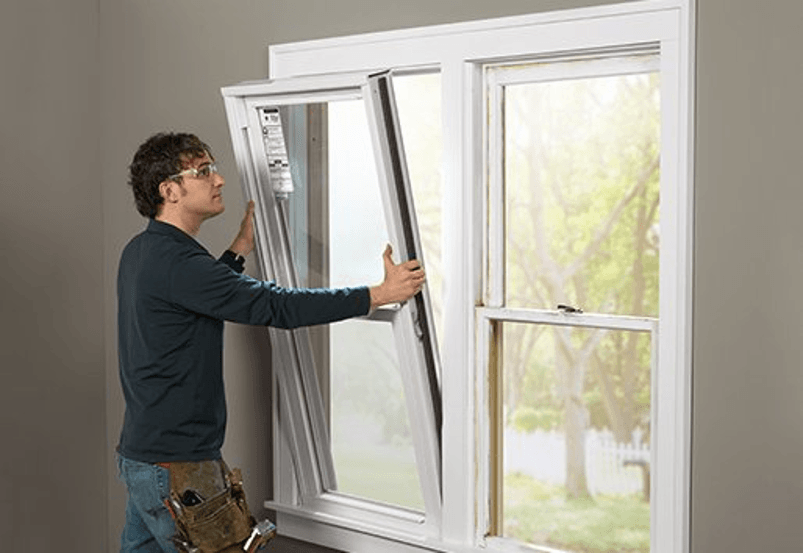

It’s often a small irritation that starts the suspicion. A window that feels cold to the touch even when the heating is on. Condensation that keeps returning in the same place. A faint draught that wasn’t there a few years ago. These moments usually prompt people to look more closely at Double glazed windows in Glasgow, not because the whole house feels wrong, but because one element clearly isn’t keeping up.
What’s surprising to many homeowners is how often windows are the first part of a property to show decline. Walls, roofs, and floors may still perform reasonably well, yet windows begin to underperform years earlier. This isn’t always due to poor installation or obvious damage. More often, it’s the result of gradual material fatigue and changing conditions that go unnoticed.
Seals Tend to Give Way First
In most cases, failure doesn’t start with the glass itself. It starts with the seals. Double glazed units rely on airtight seals to keep insulating gas trapped between panes. Over time, temperature changes, UV exposure, and natural expansion and contraction place stress on those seals.
Once a seal weakens, performance drops quietly. Heat escapes more easily. Moisture finds its way in. The window still looks intact, but its insulating ability is compromised. This is why misting between panes is often a late stage symptom rather than the first sign of trouble.
Because the change is gradual, people adapt without realising. They turn up the heating slightly or avoid sitting near certain windows. By the time the issue becomes obvious, the window has been underperforming for some time.
Orientation and Exposure Matter
Not all windows age at the same rate. Those facing prevailing wind or direct sunlight tend to deteriorate faster. Constant exposure accelerates wear on frames and seals, especially in areas where weather patterns are unpredictable.
In cities like Glasgow, wind driven rain plays a role as well. Water doesn’t need a dramatic entry point. Repeated exposure to moisture tests joints and drainage channels year after year. Even well made units can struggle if small weaknesses are consistently exploited by the environment.
This uneven ageing often explains why one side of a house feels noticeably colder or noisier than another, despite identical construction.
Frames Can Undermine Performance
Frames are sometimes overlooked when assessing window problems. A unit can fail thermally even if the glazing itself remains intact. Warping, slight movement, or degradation of frame materials can create gaps that allow heat and sound to pass through more easily.
Older frames, particularly those fitted decades ago, were designed to different standards. As expectations around comfort and energy efficiency have risen, those designs can struggle to keep up. What once felt adequate now feels draughty or inefficient, even if nothing appears broken.
Lifestyle Changes Expose Weaknesses
How a home is used today often differs from how it was used when the windows were installed. Increased home working, higher expectations of internal comfort, and rising energy costs all place greater demands on building elements.
Rooms that were once used occasionally are now occupied daily. Heating patterns have changed. These shifts reveal weaknesses that were previously tolerable. Windows that coped well under lighter use may now feel inadequate simply because they’re being asked to do more.
Why Early Signs Are Easy to Miss
Window failure rarely announces itself loudly. There’s no sudden break or obvious malfunction. Instead, performance slips incrementally. People tend to respond to the symptom rather than the cause, adjusting habits instead of questioning why those adjustments are needed.
The challenge is recognising that these small changes aren’t just inconveniences. They’re indicators of declining performance. Addressing them early prevents wider discomfort and helps avoid unnecessary strain on heating systems.
Windows often fail quietly, long before the rest of the house shows serious issues. Paying attention to those early signs isn’t about chasing perfection, it’s about understanding where a building is starting to struggle and responding before that struggle becomes routine.
Comments are closed.