
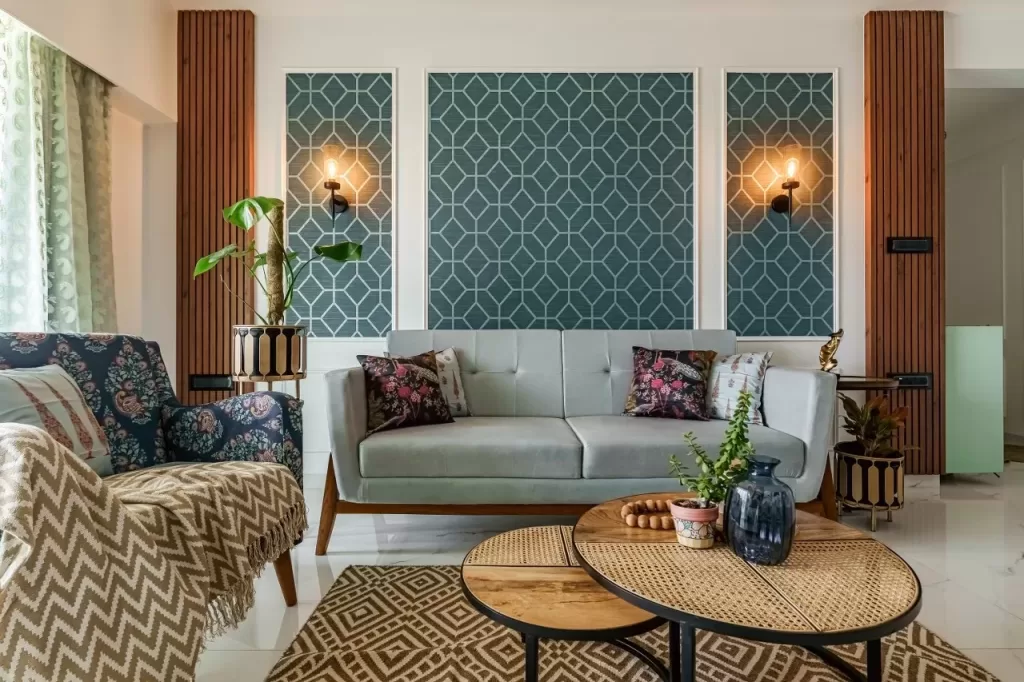

Mouldings are a fundamental element in defining the character of a luxury space. They frame rooms, add depth to flat surfaces, and introduce a sense of architectural substance. For high-end interiors, selecting the right profile can elevate a design from simple to sophisticated. The choice of materials and styles offers a wide field for expressing a unique aesthetic.
In Thailand, where design often blends traditional grace with modern comfort, the right mouldings can honour cultural heritage. Intricate patterns that echo traditional Thai motifs can be used to add a local touch to a grand living room. When planning your design, consider how different types of interior wall moulding (known as บัวผนังภายใน in Thai) can contribute to the room’s overall feeling. This element connects walls to ceilings and floors, creating a cohesive and polished look.
The scale of the moulding should match the scale of the room. High ceilings and large rooms can support substantial and ornate mouldings, such as deep crown mouldings or elaborate baseboards. In smaller, more intimate spaces, a delicate and simpler profile is often more appropriate. This approach ensures the mouldings complement the room rather than dominate it.
Understanding Moulding Types and Their Uses
Different mouldings serve specific functions. Crown moulding smooths the transition between walls and the ceiling, while chair rails protect walls from furniture and offer a visual break. Picture rails provide a decorative way to hang art without damaging walls.
Baseboards cover the joint between the wall and the floor, protecting it from scuffs and cleaning equipment. For a truly luxurious feel, consider using taller, more detailed baseboards. In Thai design, materials like teak or other local woods can be shaped into custom profiles, adding a warm and authentic feel that resonates with traditional architecture.
Matching Mouldings to Your Design Style
The style of your moulding should align with your home’s overall design theme. For a classic, European-inspired interior, ornate and layered mouldings are a suitable choice. Think of styles like Rococo or Victorian, with their detailed carvings and grand profiles.
For a modern luxury aesthetic, clean lines and geometric shapes are preferable. Minimalist mouldings with simple, crisp edges create a subtle sense of refinement without adding clutter. This style works well in contemporary Bangkok condominiums, where space and light are important design features. The goal is to create harmony between the architectural details and the furnishings.
Material and Finish Considerations
The material you choose will impact both the appearance and durability of your mouldings. Wood is a classic choice, offering warmth and the ability to be stained or painted. Plaster is another option, allowing for custom, seamless designs, especially for elaborate crown mouldings.
For a final touch, the finish is very important. A high-gloss paint can highlight the details of an ornate moulding, making it a statement piece. A matte or satin finish, conversely, provides a more subdued and modern effect. Consider the interplay of light in the room and how different finishes will reflect it throughout the day.
Comments are closed.