

What Should Homeowners Look for When Choosing the Best Attic Insulation in Houston, TX?
A poorly insulated attic can create problems that extend far beyond an uncomfortable upstairs bedroom. During Houston’s long summer season, excessive attic heat can increase the cooling load on an HVAC system, contribute to uneven indoor temperatures, and make it harder to maintain a comfortable home. Yet choosing an insulation contractor based solely on price or the advertised R-value can leave important problems unresolved.
The quality of an attic insulation project depends on more than the material being installed. A contractor must understand how insulation, air leakage, ventilation, and moisture interact within a residential building. This is particularly important in Houston, where prolonged heat and high humidity place additional demands on the building envelope.
For homeowners researching the best attic insulation in Houston, TX, the priority should be finding a contractor who can evaluate the existing attic, explain the technical requirements, and recommend improvements based on the property’s actual condition. Knowing what to look for before signing an agreement can help prevent unnecessary expenses and disappointing results.
1. Look for Experience With Houston’s Residential Construction
Houston homes vary considerably in age, design, and construction methods. Older properties may have insufficient insulation, outdated ventilation arrangements, or gaps in the ceiling assembly. Newer homes can also experience performance problems caused by installation defects, duct leakage, or poorly sealed penetrations.
A qualified contractor should understand these differences rather than apply the same solution to every property.
Local experience is particularly useful because Houston’s humid subtropical climate creates specific challenges. During summer, roof surfaces absorb substantial solar heat, increasing attic temperatures. If the insulation layer is inadequate, heat transfers into the conditioned living space below.
Humidity adds another consideration. Air leakage from the home or outdoors can introduce moisture into attic assemblies. If moisture reaches sufficiently cool surfaces, condensation may develop and affect surrounding materials.
When evaluating attic insulation contractors in Houston, ask whether they regularly work with residential properties that have similar construction and attic conditions. Their experience should extend beyond installing insulation to identifying the reasons an existing system may be underperforming.
2. Insist on a Thorough Attic Inspection Before Installation
One of the clearest indicators of a professional approach is the quality of the initial inspection.
A contractor should not determine the required insulation depth simply by looking at the home’s square footage. The attic must be evaluated to establish what is already installed, whether the material remains effective, and whether other problems need attention.
A proper inspection should consider:
- Existing insulation: Its material, depth, distribution, condition, and signs of compression or contamination.
- Air leakage: Openings around plumbing pipes, electrical wiring, ceiling fixtures, attic access points, and other penetrations.
- Moisture conditions: Roof leaks, water stains, damp insulation, and signs of condensation or pest activity.
- Ventilation: The condition of soffit, ridge, and other ventilation openings where applicable.
- Ductwork: Visible damage, disconnected sections, inadequate insulation, and potential air leakage in attic spaces.
This assessment helps determine whether the property needs additional insulation, removal of existing material, air sealing, or several improvements together.
For example, adding fiberglass over insulation affected by a roof leak will not resolve the underlying problem. The water source must be corrected, and damaged material should be evaluated before new insulation is installed.
A contractor who explains these findings and documents the recommended work provides homeowners with a much clearer basis for making a decision.
3. Understand the Insulation Material and Recommended R-Value
Professional insulation installation should begin with a clear explanation of the proposed material and its expected thermal performance.
One commonly used option for Houston residential attics is blown-in fiberglass. It is mechanically distributed across the attic floor, allowing installers to cover large areas and work around framing members. It can also be useful when increasing the depth of an existing insulation layer that remains clean and dry.
The most important technical measurement to understand is R-value. It describes a material’s resistance to heat flow. A higher R-value indicates greater resistance, meaning less heat passes through the insulation under comparable conditions.
However, the recommended R-value should reflect the home’s location, construction, existing insulation, and applicable energy-efficiency guidance. A contractor should explain the proposed target rather than simply advertise that a particular amount of material will be installed.
Homeowners should also understand that insulation performance depends on installation quality. Uneven coverage, compressed material, and exposed sections can create weak points in the thermal boundary.
A reliable estimate should identify the insulation type, intended R-value, approximate coverage, and installation method. These details make it easier to compare proposals from different contractors.
4. Make Sure Air Sealing and Ventilation Are Considered
Adding insulation without addressing significant air leakage can limit the effectiveness of an attic upgrade.
Insulation slows heat transfer through materials, while air sealing reduces uncontrolled airflow between the living space and attic. These functions are related but not interchangeable.
In many Houston homes, gaps around electrical penetrations, plumbing lines, attic hatches, and ceiling connections allow conditioned air to escape. During humid weather, uncontrolled airflow can also transport moisture into building cavities.
A contractor should identify these areas and explain whether air sealing is included in the proposed scope of work.
Ventilation requires a separate assessment. In a properly designed vented attic, intake and exhaust openings help move outdoor air through the space. Soffit vents commonly provide intake, while ridge or roof vents provide exhaust.
However, adding more vents is not automatically beneficial. The system must be evaluated as a whole, including airflow pathways and the condition of existing openings. Blocked soffit vents, for example, can restrict airflow even when exhaust vents are present.
The contractor should also distinguish between ventilation improvements and air sealing. The objective is not simply to increase airflow everywhere, but to manage heat and moisture while maintaining a properly functioning building envelope.
5. Check Whether Insulation Removal Is Necessary
Not every attic insulation project requires removing the existing material. If fiberglass insulation is dry, clean, evenly distributed, and in suitable condition, additional material may be installed over it when appropriate.
However, certain conditions justify removal before an upgrade.
Insulation that has been affected by roof leaks, persistent moisture, rodents, or significant contamination should be evaluated carefully. Damaged or heavily compressed material may no longer provide the intended thermal performance.
Removal also allows contractors to inspect areas that would otherwise remain hidden. This can help reveal damaged wood, pest activity, and other issues that need correction before installation.
Homeowners should ask the contractor to explain why removal is recommended and whether disposal is included in the estimate. If only part of the attic is affected, a full removal may not necessarily be required.
The decision should be based on the actual condition of the material, not on a standard sales package.
6. Compare Estimates Based on Scope, Not Just Price
The lowest estimate is not always the most economical choice. Two proposals may have significantly different prices because they include different materials, preparation work, removal services, or installation requirements.
Before choosing a contractor, compare the following details:
| Item | What to Look For |
| Insulation material | Clearly identified product and type |
| R-value | Specified target and installation depth |
| Preparation | Whether existing insulation is inspected and the attic is prepared |
| Air sealing | Areas included in the sealing work |
| Removal | Whether damaged material removal and disposal are included |
| Ventilation | Any recommended repairs or modifications |
| Final scope | Clearly defined work, pricing, and additional charges |
A written estimate should explain what is included and what may cost extra. Homeowners should also ask about the expected project schedule, cleanup procedures, and how the completed installation will be checked.
It is equally important to verify that the contractor carries appropriate insurance and can provide relevant business documentation. Any claims about certifications, warranties, or guarantees should be supported by documentation rather than accepted as verbal assurances.
7. Choose a Contractor Who Explains the Recommendations Clearly
Technical knowledge matters, but so does the ability to communicate it.
A professional contractor should be able to explain why a particular insulation material is suitable, what R-value is being recommended, and whether additional work is necessary. Homeowners should understand the difference between essential repairs and optional improvements before approving a project.
For example, if an estimate includes insulation removal, air sealing, and ventilation work, each item should have a clear technical justification.
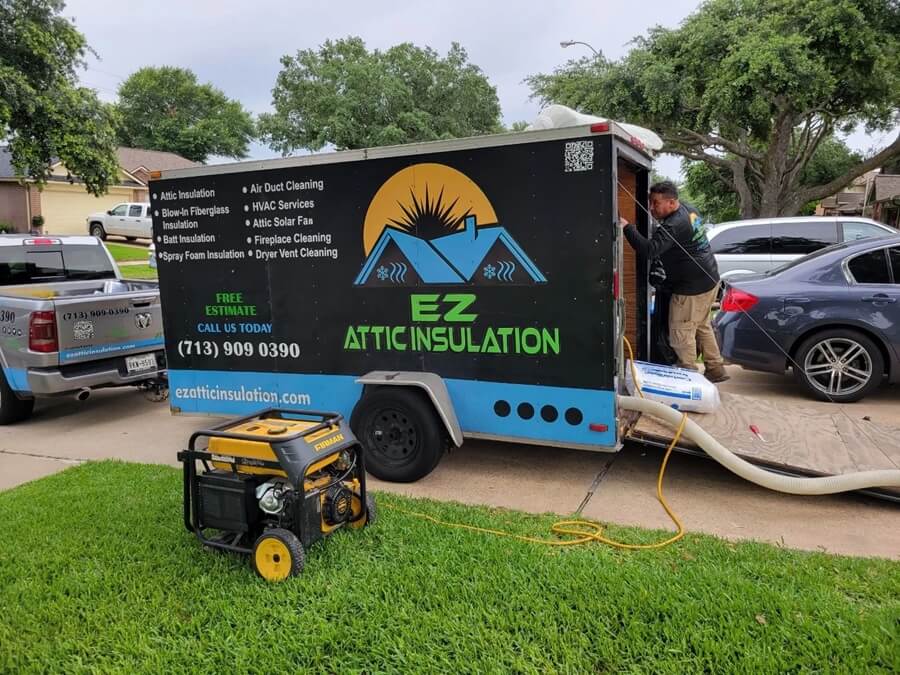
Homeowners researching local providers can consider businesses such as EZ Home Solutions, which offers residential attic insulation and related services throughout the Greater Houston area. Reviewing the proposed scope of work and discussing the property’s specific conditions are important steps before making a hiring decision.
Making a Better Choice for Long-Term Home Performance
Choosing the best attic insulation in Houston, TX, requires more than comparing advertised prices or insulation thickness. The contractor’s ability to inspect the attic, identify underlying problems, select appropriate materials, and coordinate insulation with air sealing and ventilation has a direct influence on the quality of the finished project.
Houston’s heat and humidity make these considerations particularly important. A properly planned upgrade should address the home’s actual weaknesses rather than simply add another layer of insulation.
Before committing to an installation, request a detailed attic assessment, compare written estimates, and make sure every recommended improvement has a clear purpose. The right contractor should be able to explain not only what work needs to be done, but also why it is necessary for your particular home. That level of transparency is a much stronger indicator of a sound investment than the lowest advertised price.
EZ Home Solutions
📍 Address: 4801 Woodway Dr #205W, Houston, TX 77056
📞 Phone: +1 (346) 463-6543
🌐 Website: https://homesolutionsez.com/
Comments are closed.