
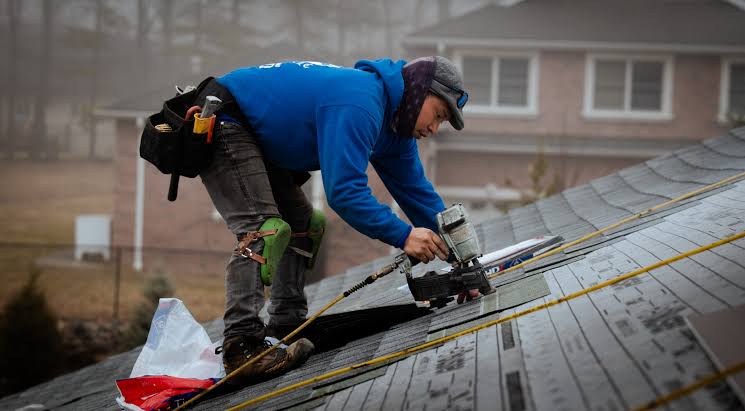

Your industrial roof takes a beating every single day. Harsh sun, heavy rain, salt-laden coastal winds, and temperature swings all wear it down over time. Catching problems early saves you money and protects everything underneath. That is why many facility managers arrange industrial roof repairs in Perth well before small issues turn into structural headaches.
The trouble is, most roof damage stays out of sight until it becomes obvious. By then, water may have already reached insulation, wiring, or stored goods. Knowing the warning signs helps you act at the right moment.
Businesses across Western Australia rely on scheduled inspections and prompt industrial roof repairs to keep operations running. Below are five signs worth watching for on any commercial or industrial building.
- Water Stains and Active Leaks
Brown or yellow stains on ceilings and interior walls point to water getting past your roof membrane. Pooling water on the floor after rain is an even clearer signal. Left alone, moisture spreads through insulation and encourages mould, which creates health and safety concerns for staff. If you spot dampness after a storm, have the source traced quickly.
- Damaged or Missing Fasteners
Metal roofing is common on Australian industrial sites, and it depends on secure fasteners to hold everything in place. Strong winds can loosen or lift screws and bolts over time. Look for gaps, rust around fixings, or panels that rattle in the wind. Loose fasteners let water in and weaken the whole system, so replacing them early keeps the roof stable.
- Rust and Corrosion
Corrosion is a frequent problem on older metal roofs, especially near the coast where salt speeds it up. Surface rust may look minor, but it eats through steel and thins the panels. Check flashing, gutters, and seams for orange discolouration or flaking. Once corrosion takes hold, small patches can spread fast and compromise the entire roof.
- Sagging or Uneven Sections
A roof should sit flat and even. Dips, bows, or visible sagging suggest a deeper structural issue, such as trapped water weight or weakened support beams. This is a serious warning sign that needs immediate attention from a qualified professional. Ignoring it risks partial collapse, which puts people and equipment in danger.
- Rising Energy Bills
An unexplained jump in heating or cooling costs often traces back to the roof. Damaged insulation, gaps around panels, or worn seals let conditioned air escape. Your systems then work harder to hold a steady temperature. If bills climb without any change in usage, the roof may be the cause.
What to Do Next
Regular inspections remain the best defence against costly damage. Book a professional assessment at least once a year, and always after severe weather. A trained roofer can spot problems you might miss and recommend repairs before they escalate.
Keep an eye out for these five signs. Acting early protects your building, your staff, and your budget for years to come.
Comments are closed.