
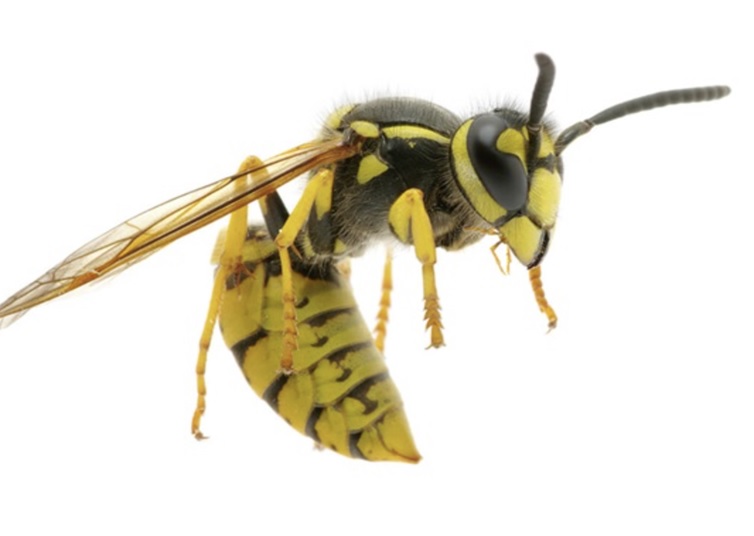

A horde of furious marauders. A legion savage soldiers. A huge number of fierce hunter. Yellow jackets. These tiny insects may seem harmless at first, but they can be a real problem if they invade your house or garden. Yellow jackets should be eliminated as soon as you see them.
Yellow jackets are hard to remove without being stung mercilessly. It’s possible, but not easy. You can safely remove yellow jackets from your home by following these tips.
The Yellow Jacket is an endemic wasp species found in North America. This term refers to social wasps and hornets found all over the world. The yellow and black coloration, the nests of paper they build and their aggressiveness in protecting their nests are their most distinguishing features.
The stingers of yellow jackets are not barbed, unlike those of other stinging insects, such as honeybees or bees. They can sting more than once. Yellow jacket stingers may chase and swarm you if they feel their nest in danger. It is frightening to even think about this. They will sometimes sting even if the nest is safe.
The real danger from yellow jackets and other wasps comes almost exclusively from outside of them. A reaction to the venom of yellow jackets or other wasps can be allergic, which results in an immediate shock.
Yellow Jackets: How to eliminate them
Yellow jackets can be eliminated in many different ways. No matter which method you use, it’s best to eliminate yellow jackets at night. The insects will be less active and the nest will be in one location. It is also less likely that you will be stung, as they won’t see your face. Wear protective clothing with long sleeves and eye-protection to protect your face.
Yellow jacket nests may be underground. You may need to dig deeper to find them. When searching for nests, you should be cautious as the slightest provocation can cause them to swarm. Once you find the nest, you can use these tips to eliminate its inhabitants.
It is not a good idea to pour gasoline, or any other toxic chemicals into the nest of a yellowjacket. These chemicals can seep into the soil and kill local wildlife as well as plants.
Pesticides
You can control yellow jackets with insecticides or pesticides. Commercial shops carry a wide range of dusts and sprays. Sprays work better on aerial nests but dusts are more effective for underground nests.
Yellow Jacket Pesticides: The Best Yellow Jacket Pesticides
- Pyrethroid-based sprays. Aerosol sprays can be sprayed with a jet-nozzle. Spray the nest opening and then spray the exterior. Spray the exterior three times a week until it dies. Leave it at least for 24 hours.
- Carbaryl-based dusts. Dust the nest and pour the dust inside. Repeat the process three times a week until there is no sign of activity. Cover the entrances of any buildings with dirt and dust to prevent survivors from rebuilding.
DIY Tips
Who would blame you if you didn’t want to be around yellow jackets? DIY traps can be used to eliminate them, without having to engage them. You can buy these traps commercially or make them yourself. You can bait yellow jacket traps with either meat or sugarwater. Sugar water is better in the winter and fall, while meat is more effective during spring and summer.
If you want to make a meat-trap, don’t forget any poisoned beef. Skewering meats like turkey or ham onto a stick is necessary. Then, put the stick in a bowl of water and cover it with oil. Yellow jackets will drink your meat, and eat it. They cannot escape or drown. Make sure the water doesn’t touch the meat.
You can also use this technique in a larger container for more severe infestations. Fill a 5-gallon bucket with soap and water. On one side, spread a paste of meat, like cat food. Place the wooden board on top. The same procedure applies. Water should not extend more than an inch below the board.
A sugar trap can be made by cutting a small rectangular shape from the top of any 2-liter soda bottle. The best measurement is one inch by two. Fill it with 1 cup of water, 1 cup of sugar or apple juice (or a similar sugary beverage), 1/2 cup vinegar and a drop soap. You can add meat to make it look more appealing. Close the cap, and let it work.
Diatomaceous Earth
There are other methods of yellow jacket control that don’t involve synthetic chemicals. Diatomaceous Earth can be used as one of them. Diatomaceous earth is a fine white powder made from fossilized plankton known as “diatoms”. Yellow jackets and other insects can poison you if they come into contact with the exoskeletons of diatomaceous earth.
Yellow jackets can be controlled with diatomaceous earth. Pour it into the nests. Continue to fill the hole in with powder. When they leave, the powder will get on their body and kill them. The powder will only work on ground nests.
Protect the Nest
You can cover the ground nest with plastic bins or bags. You can also put plastic buckets or bins at the nest entrances, and then let them starve. Yellow jackets can chew through cardboard, but not plastic. Check that the covers are transparent before using them. This can be used in conjunction with other methods.
Yellow Jackets – Symptoms
There are many other signs to look out for besides the obvious yellow jackets. You may hear a nest before you see it. If you hear a hum or the sound of crinkling paper, it could be a nest.
Here you can find out where yellow jackets nest. Yellow jackets nest in animal burrows and stumps. The nests can be made of paper or gray and contain yellow jackets.
Where are yellow jackets from?
Yellow jackets can be attracted to your area by a few things. If you have a lot juice bottles and soda cans outside, this may attract them. The same thing can be achieved by planting a garden of flowers that smell sweet.
Yellow jackets also consume large quantities of small insects. This could be a good thing if you have a lot of flying or crawling insects in your yard. Yellow jackets won’t nest in your house or yard. These insects can travel up to 1,000 feet in search of food.
Yellow jackets may be attracted to outdoor structures like decks, sheds or wooden steps. Take steps to ensure they don’t settle in your outdoor areas.
Yellow Jackets: How to prevent them
Yellow jackets can enter your home in several ways.
- Cover any outdoor trash cans and keep them away from food sources.
- To prevent them from becoming dehydrated, remove standing water.
- Yellow jackets that are alone should not be killed. They release a pheromone when crushed. This attracts others.
- Create a fake nest and hang it all around your property. Yellow Jackets nest close to other nests, and they are territorial. This method will not be 100% effective. Other methods can be used to repel yellow jackets and wasps.
- Wasps are repellent by peppermint oil. You can spray the oil on your skin to repel yellow jackets or apply it directly to their nesting areas (eaves and awnings).
- Find any abandoned or unoccupied nests in your yard to avoid the formation of underground nests. You can cover them with soil to stop yellow jackets moving in. But only after ensuring that they are not being used by other animals.
FAQ on Yellow Jackets
Is it harmful to be stung by yellow jackets?
Yellow jacket stings can cause allergic reactions in some people, but this can differ from person to person. For every pound in weight, a person can tolerate up to 10 stings. A man of average adult size can be killed by 1,500 stings.
Yellow jackets may also carry venom. These insects can be found in soiled areas, such as landfills, and may carry bacteria or germs which are inhaled when stung. Be sure to disinfect all stings and watch out for any adverse reactions.
What should I be doing when yellow jackets begin to swarm me?
If you notice that yellow jackets begin to swarm, do not panic. They can be attracted to you by running or making sudden movements. As soon as possible, get in your car, home, or another safe place.
If they are actively swarming, the same principles apply. You should cover your mouth, nose, and eyes with your hands. Do not grab them. Be calm. Don’t try to jump in the water. You will be waiting and you won’t have the ability to hold your breath for long enough. Get inside ASAP.
When is yellow jacket season?
Yellow jackets are at their most abundant in the late summer and early fall. During this period, nests tend to be the largest.
This post was written by a professional arborist at Arbor Wise Professional Tree Care. Robert Miller is the owner of Arbor Wise Professional Tree Care, a locally owned and operated tree service company that offers superb lawn care by the most experienced Arborists. Arborwise Tree Services is a tree removal company that offers stump removal, tree pruning, stump grinding, fertilization, and tree restoration. We have an extraordinary lawn care industry notoriety covering the Pinellas county area. Click here for more information!
Comments are closed.