
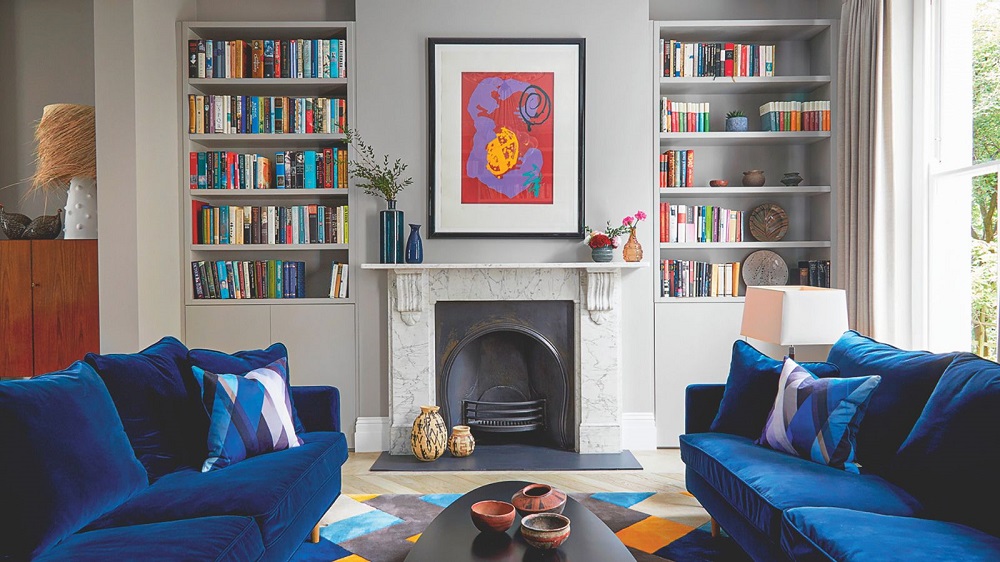

Creating a home that feels both visually stunning and effortlessly functional is a goal many homeowners share. However, balancing aesthetics with practicality often feels like a delicate juggling act. Clutter quickly accumulates when storage solutions lack intentionality, while overly rigid organization systems can make a living space feel sterile and unwelcoming. The secret to bridging this gap lies in thoughtful decor choices that double as storage solutions. By choosing pieces that serve dual purposes, establishing cohesive design elements, and optimizing every square foot of your floor plan, you can transform your living environment into a tranquil, beautifully organized sanctuary.
The Foundation of Intentional Home Decor
Before purchasing new furniture or storage containers, it is essential to understand the core principles of functional design. Intentional decor is not merely about hiding clutter behind closed doors; it is about curating items that bring joy, serve an authentic purpose, and contribute to a harmonious atmosphere.
Every item brought into a home should pass a simple test: does it enhance the daily routine, or does it merely occupy physical and visual space? Visual noise—the mental distraction caused by seeing too many chaotic, mismatched, or misplaced objects—can subtly increase daily stress levels. By reducing visual noise through streamlined decor, you immediately cultivate a sense of serenity throughout your home.
Dual-Purpose Furniture: The Secret to Hidden Storage
One of the most effective strategies for maintaining an organized home without sacrificing style is incorporating dual-purpose furniture. These pieces allow you to conceal everyday necessities while maintaining a sophisticated aesthetic.
-
Ottomans and Benches with Interior Storage: A plush, upholstered storage ottoman placed at the foot of a bed or in front of a living room sofa provides comfortable seating while secretly housing extra blankets, board games, or seasonal pillows.
-
Lift-Top Coffee Tables: Modern lift-top coffee tables offer a sleek surface for everyday use, but they also open up to reveal deep storage compartments. They are ideal for stashing laptops, remote controls, and reading materials out of sight.
-
Beds with Integrated Drawers: Bedrooms often suffer from underutilized space. Choosing a bed frame with built-in storage drawers or a hydraulic lift mechanism allows you to store off-season clothing, extra linens, and luggage without taking up additional floor space.
-
Console Tables with Drawers and Lower Shelves: A thin console table in an entryway provides an immediate landing zone for keys and mail. Select models with concealed drawers and lower shelves where woven baskets can slide in seamlessly.
Maximizing Vertical Space with Wall-Mounted Solutions
Floor space is a finite commodity in any home, making vertical space one of the most valuable, underutilized assets in interior design. Utilizing your walls effectively keeps items off countertops and floors, drawing the eye upward and creating the illusion of higher ceilings.
Floating Shelves for Functional Display
Floating shelves offer a clean, contemporary look that works across various room styles. When styling floating shelves, group items in odd numbers, such as clusters of three or five, to create visual interest. Pair functional items like cookery books or apothecary jars with purely decorative pieces like small potted plants, framed photos, or abstract sculptures. This blend ensures the shelves feel curated rather than purely utilitarian.
Vertical Storage in the Kitchen and Bathroom
In high-traffic areas like kitchens and bathrooms, vertical organization keeps daily essentials accessible while maintaining clear surfaces. Hanging magnetic knife strips, pegboards for pots and pans, or wall-mounted spice racks in the kitchen frees up crucial counter space. In the bathroom, tall floating cabinets or tiered ladder shelves above the toilet provide ample storage for towels and toiletries without cramping the room.
The Art of Zoning with Rugs and Lighting
An organized home extends beyond physical storage; it also involves logical spatial organization. In open-concept layouts, rooms can easily feel chaotic if distinct functional zones are not clearly defined. Zoning helps direct the flow of foot traffic and assigns specific activities to dedicated areas.
Using Area Rugs to Define Boundaries
Area rugs act as visual anchors for specific zones within a single room. For instance, placing a large, textured rug beneath a dining table clearly sets it apart from an adjacent living area anchor rug. Ensure all key pieces of furniture in a zone sit partially or entirely on the designated rug to create a unified, cohesive look.
Layering Light Sources
Lighting plays a critical role in defining the ambiance and organization of a space. Rather than relying solely on harsh overhead fixtures, layer your lighting across three distinct levels:
-
Ambient Lighting: Overall room illumination provided by ceiling fixtures, recessed lights, or large chandeliers.
-
Task Lighting: Focused light for specific activities, such as adjustable desk lamps for home offices, under-cabinet lighting in kitchens, or reading lights next to armchair nooks.
-
Accent Lighting: Soft illumination used to highlight architectural features, artwork, or decorative displays, such as wall sconces or LED strip lighting inside bookshelves.
Incorporating Natural Materials for Warmth and Structure
A common mistake in home organization is relying heavily on plastic bins or synthetic containers. While functional, these materials can give a home a cold, clinical feel. Incorporating natural materials brings warmth, texture, and organic beauty to your storage solutions.
Woven seagrass, rattan, and jute baskets are exceptionally versatile tools for hiding clutter. They can hold throw blankets, toys, shoes, or extra toilet paper while adding rich texture to a room. Similarly, solid wooden boxes, marble trays, and ceramic bowls provide sophisticated catch-alls for smaller items like jewelry, keys, and TV remotes on entry tables or nightstands.
Maintaining Consistency in Color Palettes and Materials
Visual cohesion is a powerful, often overlooked aspect of home organization. When a home features too many competing colors, patterns, and material finishes, the mind perceives the space as cluttered, even if every item is technically put away.
Select a primary color palette consisting of three to four shades for your home. Neutral bases—such as soft whites, warm beiges, or refined grays—allow accent colors to pop without overpowering the senses. Apply these colors consistently through soft furnishings, wall paint, window treatments, and accent pieces.
Extend this consistency to your organizational hardware as well. Using matching coat hooks, cabinet pulls, drawer knobs, and closet hangers creates a polished, professional look. When every element in a room follows a unified design language, the entire space immediately feels more serene, intentional, and organized.
Frequently Asked Questions
How do I choose between open shelving and closed cabinetry for small rooms?
Closed cabinetry is generally preferred for small rooms because it hides visual clutter completely, making the space look cleaner and larger. However, a balanced approach works best. Use closed storage for items that are visually distracting, like electronics or paperwork, and incorporate a small amount of open shelving to display a few carefully chosen decorative items that add personality without overcrowding the room.
What is the best way to keep a family entryway organized during busy school days?
Create designated zones for each family member by installing low hooks for backpacks and coats, individual cubbies or baskets for shoes, and a central command center with a calendar and mail sorter. Establishing a daily routine where items are returned to their designated spots immediately upon entering the home prevents entryway buildup.
How can I organize deep kitchen drawers without wasting space?
Utilize adjustable drawer dividers or modular organizational inserts to create specific compartments for different items. Group similar items together, such as baking tools, utensils, or food containers, and place the items you use most frequently toward the front of the drawer for easy access.
What decorative strategies help make a dark, narrow hallway feel brighter and wider?
Hang a large mirror along one side of the hallway to reflect light and create the optical illusion of added width. Paint the walls a light, light-reflecting color, choose low-profile wall sconces, and place a long, light-colored runner rug along the floor to draw the eye forward without cluttering the physical walkway.
How do I select the right size rug for a small living room setup?
Ensure the front legs of all major seating pieces—such as the sofa and armchairs—sit comfortably on top of the rug. A common mistake is buying a rug that is too small, which makes the entire room feel chopped up and restricted. A larger rug unifies the furniture and visually expands the space.
What are some easy ways to conceal unsightly cords and electronics around the house?
Use cord management boxes to hide power strips, run cables through wall-mounted cord covers painted to match your wall color, or attach adhesive cord clips behind furniture legs to channel wires out of sight. You can also hollow out decorative books or use woven baskets with discreet cord cutouts to hide internet routers and modems.
Comments are closed.